
Your baby finally started sleeping through the night, and so have you. Suddenly, you’re back to hourly wake-ups and sleepless nights. Is this the dreaded sleep regression, or are they teething?
Do not despair! There are several things you can do to comfort your baby, as well as learning how to recognize the cause. Often, teething and sleep regressions happen at the same time, which can seem overwhelming.
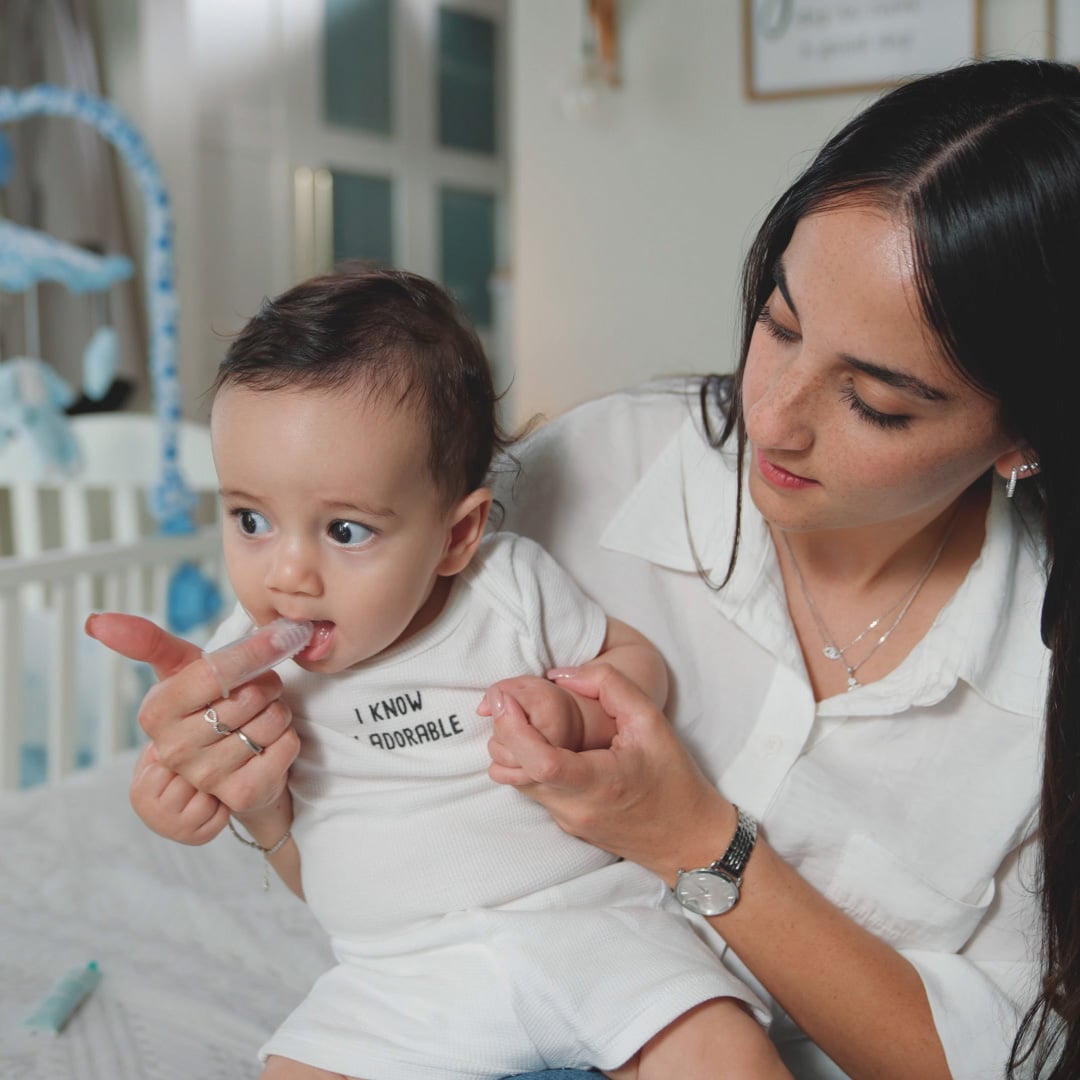
Decoding the Double Whammy: When Teething Meets Sleep Regression
The first couple of years in your baby’s life are full of developmental milestones. While most of these are exciting, some of them come with challenges as a parent. Teething is something we are all aware of, but sleep regressions can often come as a surprise. What are they, and what should you expect?
Understanding Sleep Regression Basics
As your baby grows, they go through developmental leaps that sometimes affect their sleep. These usually happen at 4, 6, 8, 12, and 18 months. Often, they are caused by an increase in brain development, like when your baby acquires a new skill, such as rolling, sitting, or standing. This leap in development then affects sleep quality, causing more wake-ups and difficulty in falling asleep. As your baby grows, they also become more aware of their surroundings, so separation anxiety can begin to play a role. The good news is that these phases are usually temporary, lasting on average between 2 and 6 weeks.
Teething Timeline vs. Sleep Regression Schedule
To confuse matters, sleep regressions often clash with teething. Their timelines can sometimes even synchronize.
As a general rule, you can expect to see the first teeth erupting around 4-7 months, with molars making an appearance at 12-18 months. Canines usually make an appearance at 16-20 months, and the last molars at 2 years. This means that teething usually overlaps with sleep regressions. As sleep regressions are less understood, parents sometimes blame teething. This means they miss the chance to offer more suitable comfort and relief to their children.
How to Tell the Difference
In order to offer your baby the best source of comfort, it is helpful to be able to tell the difference between teething and sleep regression.
Teething
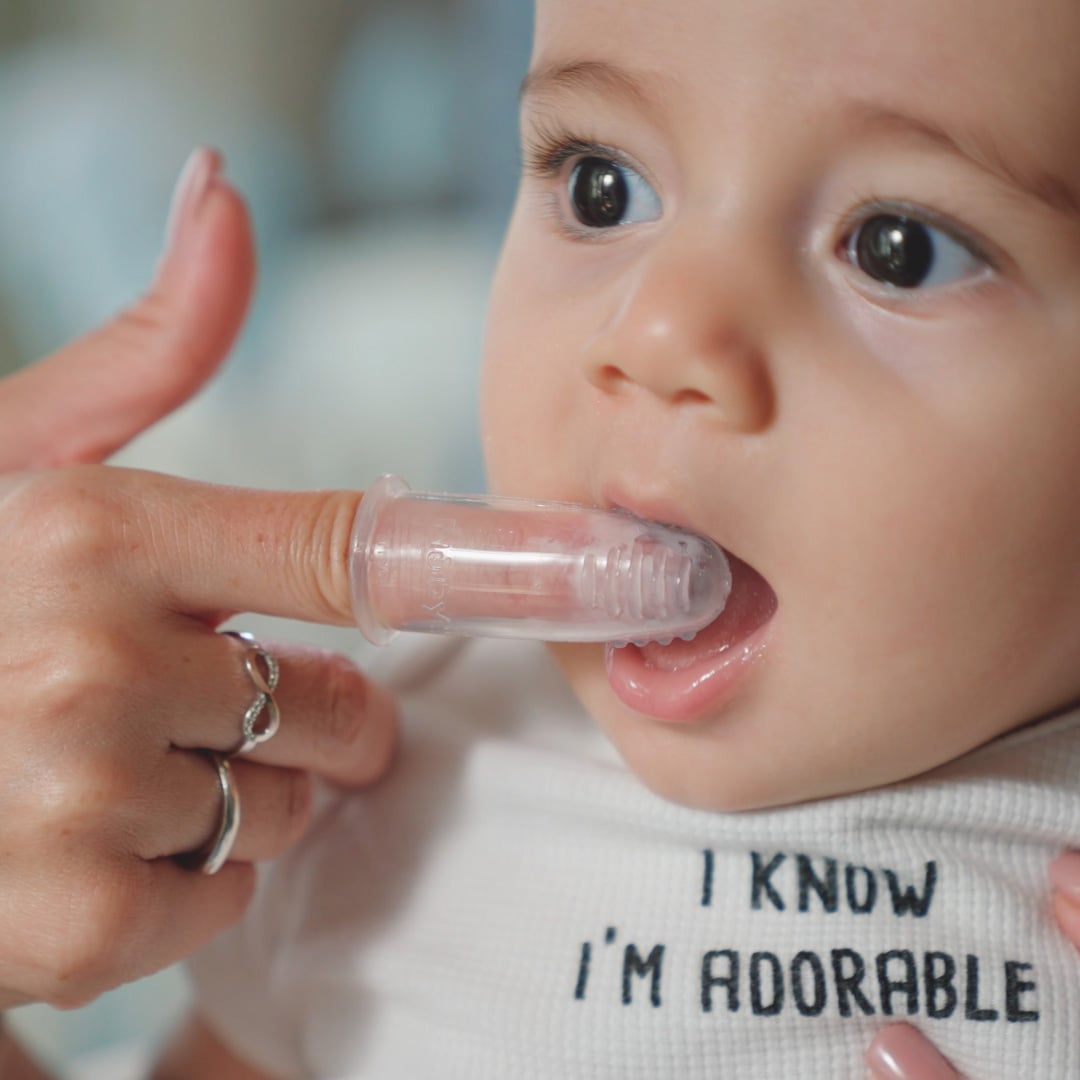
When your baby is teething, their gums may appear red or swollen. This can be accompanied by drooling and excessive chewing. Babies often cry in pain, and it comes and goes.
Sleep Regression
This is accompanied by a sudden new skill. You can expect more nighttime wakings and general crying from protest, rather than from pain.
The 6-Month Sleep Crisis: Peak Overlap
Why 6 Months Is the Perfect Storm
When it comes to sleep, many parents find they are met with a drastic change at 6 months. This is because the first teething and sleep regression overlap, creating a perfect storm. To make matters feel worse, many parents find that their baby’s sleep has started to improve before they hit this milestone.
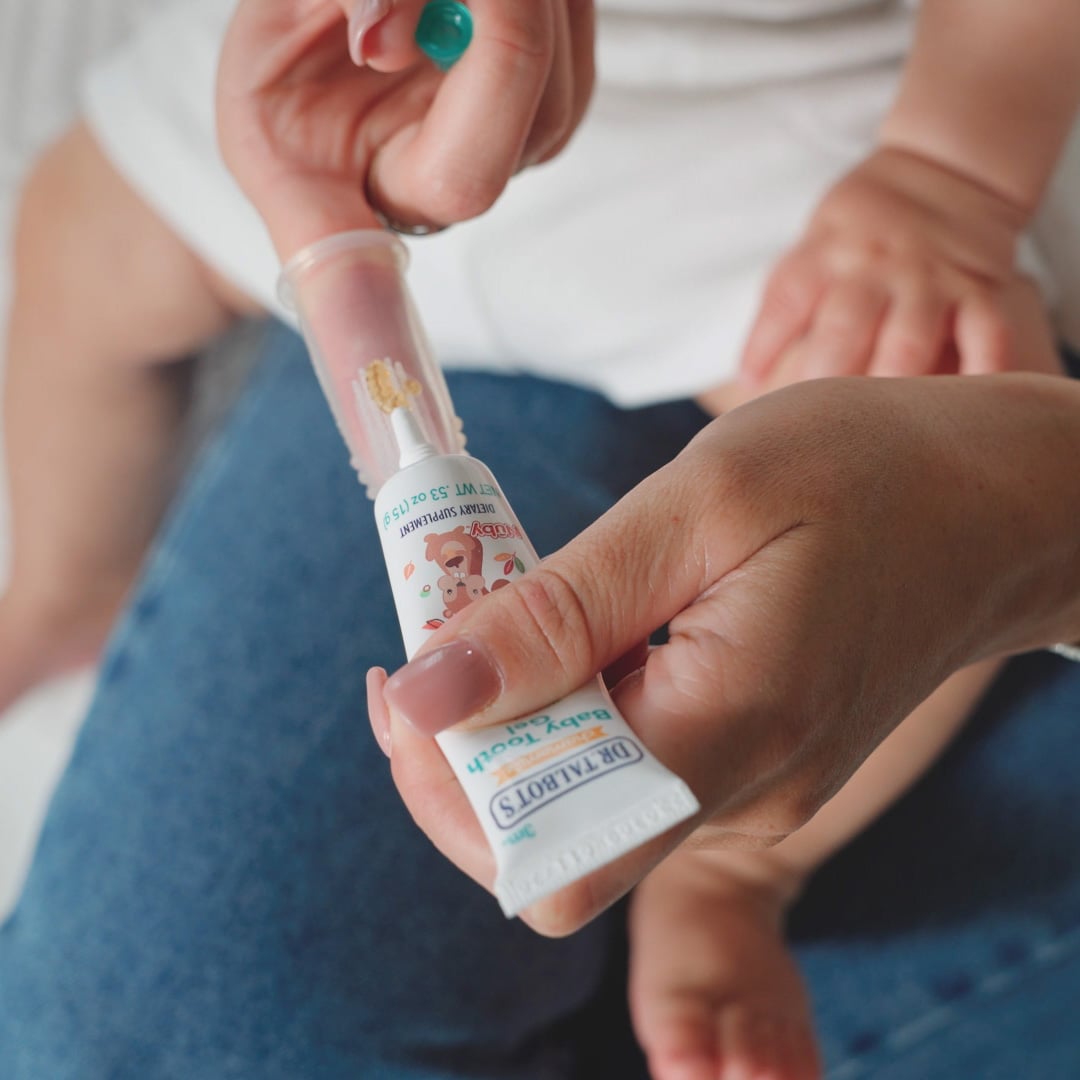
If you find yourself in the middle of this, having suitable products can make a massive difference. Dr. Talbot's Infant Pain + Fever Relief offers dual relief, and applying Dr. Talbot's Nighttime Baby Tooth Gel provides nighttime comfort for sore gums. Using a natural sleep support, like Dr. Talbot's Chamomile Soothing Tablets, can also restore a good night’s sleep.
Managing the 6-Month Double Challenge
Working out how to navigate teething and a sleep regression is enough to give any parent a headache. Having a plan can make it feel more manageable. You should begin by prioritizing the pain of teething, then addressing the disruption from the sleep regression. You may also find that you need to increase night feeding to offer comfort. A good timeline to follow is:
- Week 1-2: Focus on managing pain
- Week 2-3: Gentle sleep training
- Week 3-4: Gradually restore a bedtime routine
Targeted Relief Strategies for Combined Challenges
Daytime Foundation for Nighttime Success
It may seem counterproductive, but good nighttime sleep often starts in the daytime. One of the best places to start is by looking at your baby’s naps. While it makes sense to reduce naps to ensure better sleep at night, this usually isn’t the case. Overtired babies often find it harder to sleep at night, so you should make sure they are getting the necessary sleep during the day.
Treating pain is also another key factor. Consider using Dr. Talbot's Soothing Gel for Sore Gums before naps and Dr. Talbot's Infant Pain + Inflammation Relief if your baby is in discomfort during the day.
Nighttime Intervention
When you hear your baby crying at night, your first instinct is to comfort them. However, depending on the cause, it is sometimes best to leave them. During a sleep regression, babies often wake more frequently but then go back to sleep by themselves. You should therefore give them 5 minutes before intervening. If they are in pain or unsettled, try to offer mild comfort without creating any long-term dependencies. If they are in pain from teething, apply Dr. Talbot's Nighttime Baby Tooth Gel.
Sleep Training During Teething
If you are following a sleep training schedule, it may need adjusting during this time. If your child is teething, you may need to take a more gentle approach, checking them more frequently. If your baby is really struggling, it may be better to abandon it entirely until they are in less pain.
Age-Specific Coping Strategies
How you cope with teething and sleep regression will depend on how old your baby is. Each stage requires a tailored approach for the best chance of success.
4-8 Months
This is when you can expect the first teeth to begin erupting. It is also usually the time of the first regression as this is when many children learn to sit and roll over, which impacts their sleep. This is a good time to introduce comfort objects if you want to. You may also need to adjust their feeding schedule to offer extra comfort during the night. You may also see early signs of separation anxiety.
8-12 Months
At this time, you can expect your child to begin standing and cruising, which can cause a sleep regression. Separation anxiety is also more prevalent. Offer continued nighttime support with Dr. Talbot's Chamomile Night-Time Soothing Tablets. To support nighttime sleep, it might also be the right time to transition from 3 naps to 2. As your baby grows, you can transition them to products suited to older children, like Dr. Talbot's Pain + Fever Relief.
12-24 Months
As your baby becomes a toddler, you may find that your existing approach is less successful. As they become a toddler, they may make advances in communication but also regress in other areas. Both are totally normal and to be expected. Try to give your toddler a choice and use more verbal comforts. You might also find routine charts and reward systems help to keep them in their beds at night.
Creating Your Family's Survival Plan
Building Your Response Toolkit
When your baby is teething, going through a sleep regression, or both, it can be helpful to have a plan in place. This can help you cope and ease your baby’s discomfort.
A great place to start is by creating clearly defined roles. This can help deal with the sleep-deprived confusion in the middle of the night. Consider who handles what best, and take any work and childcare commitments. You can also make sure you have all the supplies you need, covering all bases and situations if possible.
Long-Term Success and Prevention
Sleep disruption can often feel like it is going to last forever, but don’t worry, it is usually temporary. Instead of despairing, it is better to focus on long-term patterns to help build a strong foundation in sleep resilience.
Building Sleep Resilience
Aim to follow the same bedtime wherever possible. Children also respond well to the same nightly routine, in whatever form you prefer. However, you should always build in some flexibility, as parenting is always unpredictable!
This Too Shall Pass
The most important thing to remember is that it is temporary. The worst part usually lasts between 2 and 3 weeks. After that, babies begin to adjust to the new routine established at about 6-8 weeks after the regression.
Professional Support Guidelines
Although sleep regressions and sleep disruptions are totally normal, sometimes you may need to seek professional help. If the disrupted sleep continues for more than 6 weeks, or your child’s development slows, seek help. Sometimes the lack of sleep can severely affect you as a parent, so it may help to see a specialized sleep consultant or seek mental health support.
Your baby’s sleep can dominate your thoughts, especially in the first year. Too often, you feel like you’ve cracked it and then everything seems to change. We often blame it on teething, but it can also be a sleep regression. Or even a mixture between the two!
Knowing how to recognize the difference between the two will help you take the right measures to comfort your baby. Before you know it, you will be back to getting a good night’s sleep.
At Dr. Talbot’s, we pride ourselves on making safe and effective products to support you and your baby through challenging times. For more support, check our Aches, Cold & Flu Relief for Infants and Soothing Oral Gels Collection.
5 Essential FAQs
How can I tell if my baby's sleep problems are from teething or sleep regression?
The easiest way to tell the difference is by looking at the physical symptoms. Teething usually presents itself with swollen and red gums, a mild fever (under 101°F), and drooling. Your baby may cry in pain. On the other hand, a sleep regression is usually accompanied by a new skill and increased alertness. They may cry, but in protest rather than pain. Sometimes these can overlap, often at 6 months, so you may require a double action plan.
Is it okay to sleep train while my baby is teething?
Yes, you can continue gentle sleep training while your baby is teething. However, you should consider some modifications. These might include using Dr. Talbot's Nighttime Baby Tooth Gel, checking and comforting them more often, and allowing the occasional pauses in training. These pauses should be about 2-3 days per tooth.
Why does the 6-month mark seem especially difficult for sleep?
Six months can take parents by surprise as teething often overlaps with your baby learning a new skill, which causes a sleep regression. This can also be accompanied by an awareness of separation anxiety. Using soothing products like our Soothing Oral Gels Collection can help comfort your child, helping them maintain a good sleep routine.
How long will this double challenge of teething and sleep regression last?
This depends on your baby, but as a general rule, a sleep regression lasts around 2-6 weeks, while teething is usually 2-3 days per tooth. When the two overlap at 6 months, you can expect 4-8 weeks of disruption in total. Proper management and offering effective relief products can help shorten this.
Should I night wean during teething and sleep regression, or wait?
To avoid causing your baby more discomfort, it is usually a good idea to delay night weaning while they are teething or experiencing a sleep regression. Night feeds offer comfort when they need it most. You can supplement it with pain management products like Dr. Talbot's Infant Pain + Inflammation Relief. Once their sleep patterns settle, you can gradually reduce night feeds.
