
Often times when that dreaded sickness hits, we focus all our efforts on soothing and comforting our children, but we don’t think about cleaning the nursery after the fact. Germs and bacteria can linger on surfaces long after your baby is better. This means there is a chance that they will get sick all over again, or it may pass to other members of the family.
Cleaning, sanitizing, and disinfecting can help restore your nursery to a clean and healthy environment. Using the right products means you can do so safely while still being effective. Read our guide for expert-approved advice on how to disinfect the nursery after your child has been sick.
Understanding Nursery Disinfection Fundamentals
Not all cleaning methods are the same. There will be times when each is the most suitable. Understanding the difference will help you choose the right one for the most effective cleaning.
The Difference Between Cleaning, Sanitizing, and Disinfecting
People often confuse and mix up these terms, but they actually all have their own specific meanings:
- Cleaning: Removes visible dirt and debris. This should be done before you sanitize or disinfect.
- Sanitizing: Reduces bacteria to safe levels. This should be used on items that frequently go in your baby’s mouth. It can be done multiple times a day.
- Disinfecting: Kills most germs and pathogens. This is most suited for surfaces that are touched frequently. It should also be used when there have been bodily fluids present.
Common Illness-Causing Pathogens in Nurseries
Bacteria
Bacteria are common around humans, and some of them are harmless. Some are even beneficial. However, there are some bacteria that can cause infection or illnesses. How long they live on surfaces depends on the type of bacteria. For instance, E. coli and Salmonella can live for between 20 minutes and four hours. On the other hand, Clostridium difficile (a bacterium that causes diarrhea) can live for up to five months on hard surfaces.
Viruses
Viruses often cause illnesses we are more familiar with, like the common cold and flu. Cold germs are at their most infectious for 24 hours, but can still cause illness for a week when left on surfaces. When on a hard surface, the flu virus can live for between 24 and 48 hours.
Good Nursery Cleaning Practices
Knowing how to clean your nursery is important, especially after your baby has had an illness. It is also key to know what supplies you should be using to ensure you are doing an effective job.
Preparation and Safety Measures
Before starting, consider making a cleaning checklist. This will help you make sure that nothing is missed. The best place to start is by opening a window or door to the room(s) where your little one spent the most time during the course of the illness. This will help ventilate the room, a key requirement when disinfecting.
Using protective equipment, such as gloves and a mask, will help reduce the spread of germs. It can also prevent you from getting sick when you come in contact with any germs. Organizing your cleaning supplies will also help you during the disinfecting process.
Surface-Specific Techniques
Different surfaces often require different disinfecting techniques.
Hard Surfaces and High-Touch Areas
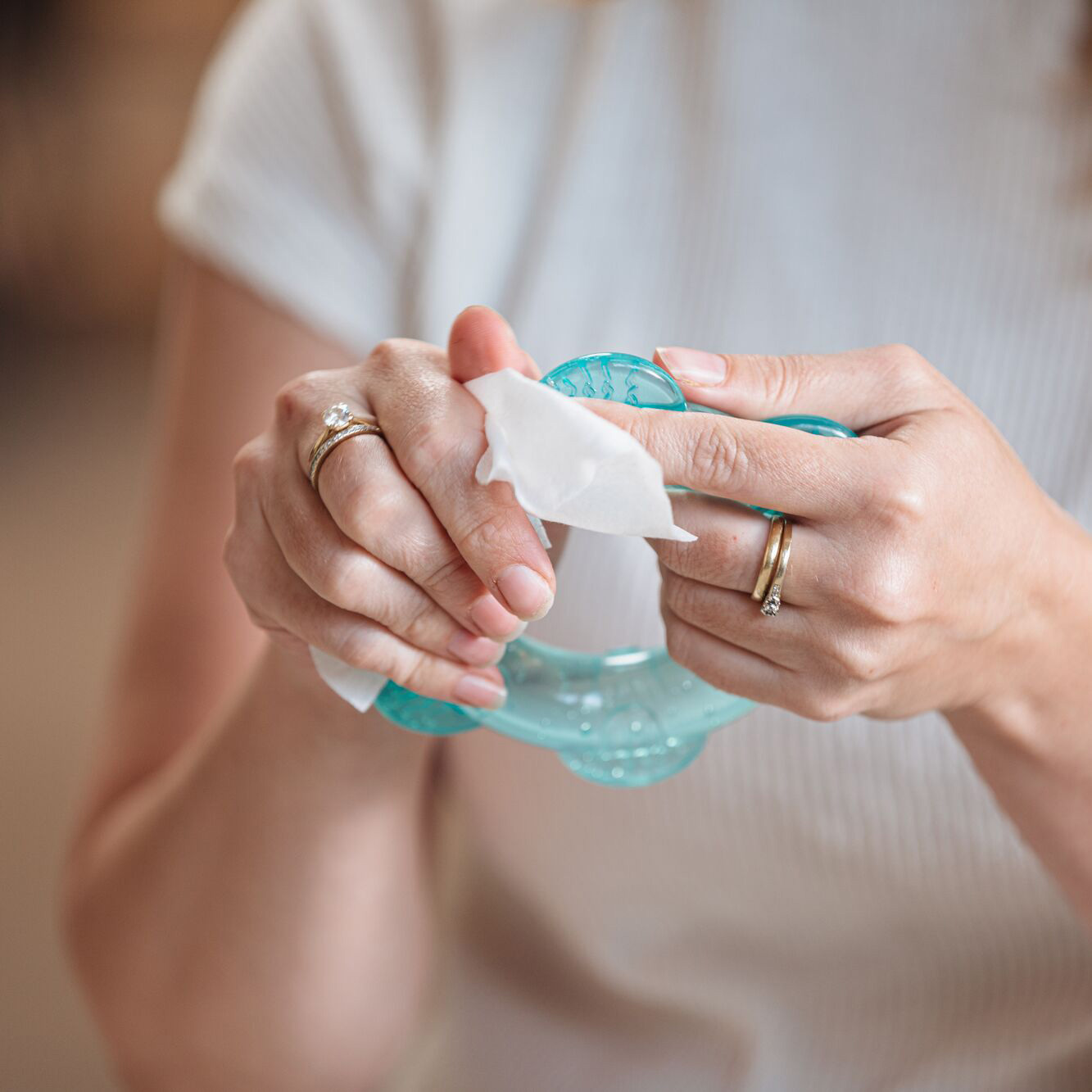
This includes areas such as cribs, changing tables, and counters. Begin by making sure the area is clean of dirt and debris, which may require wiping before you begin disinfecting. You should spray the disinfectant on the area, leaving it for the amount of time that is stated on the label. Then wipe it with a clean cloth. Pay particular attention to awkward, high-traffic surfaces such as doorknobs, handles, and light switches. This method can also be used for plastic toys and equipment.
Soft Surfaces and Textiles
After an illness, you should also disinfect all carpets and rugs. Use a specifically designed-product, making sure you follow the manufacturer's directions. All bedding and soft toys should be washed using a disinfectant at a high temperature. If it can’t be placed in the washing machine, consider using a steam cleaner to kill any germs. For nurseries with lots of fabric, air filtration can be an option.
Choosing the Right Product
With so many cleaning products on the market, it can be difficult trying to choose the right one for you. Cleaning a nursery is very different from other types of spaces, so you should take this into consideration when choosing.
Chemical Disinfectants
When choosing a chemical disinfectant, you should look for one that is EPA-approved. This means it is proven to be effective against the most common childhood illnesses. Using a bleach solution is also an effective way to disinfect, but you should always make sure it is properly diluted. For more sensitive areas, use a hydrogen-peroxide alternative.
Whatever product you choose, make sure you are following the guidelines for the correct contact time. This means the amount of time you leave the product on the surface before wiping it off. Failing to follow this can reduce the effectiveness of the product.
Natural and Child-Safe Disinfection Options
Not every parent will want to use strong chemicals in the nursery. In these cases, there are some alternatives. Steam is a great way to clean and disinfect. Today, there are a number of steam cleaners on the market that can be used in the nursery.
UV light can also be used, although it often isn’t practical for larger surfaces. Dr. Talbot’s UV-C Light Sanitizing Wand can be used to disinfect, killing 99.9% of germs in as little as 60 seconds.
You can also choose plant-based disinfectants that rely on natural ingredients to kill germs. These have various levels of effectiveness, and are often best when combined with other methods.
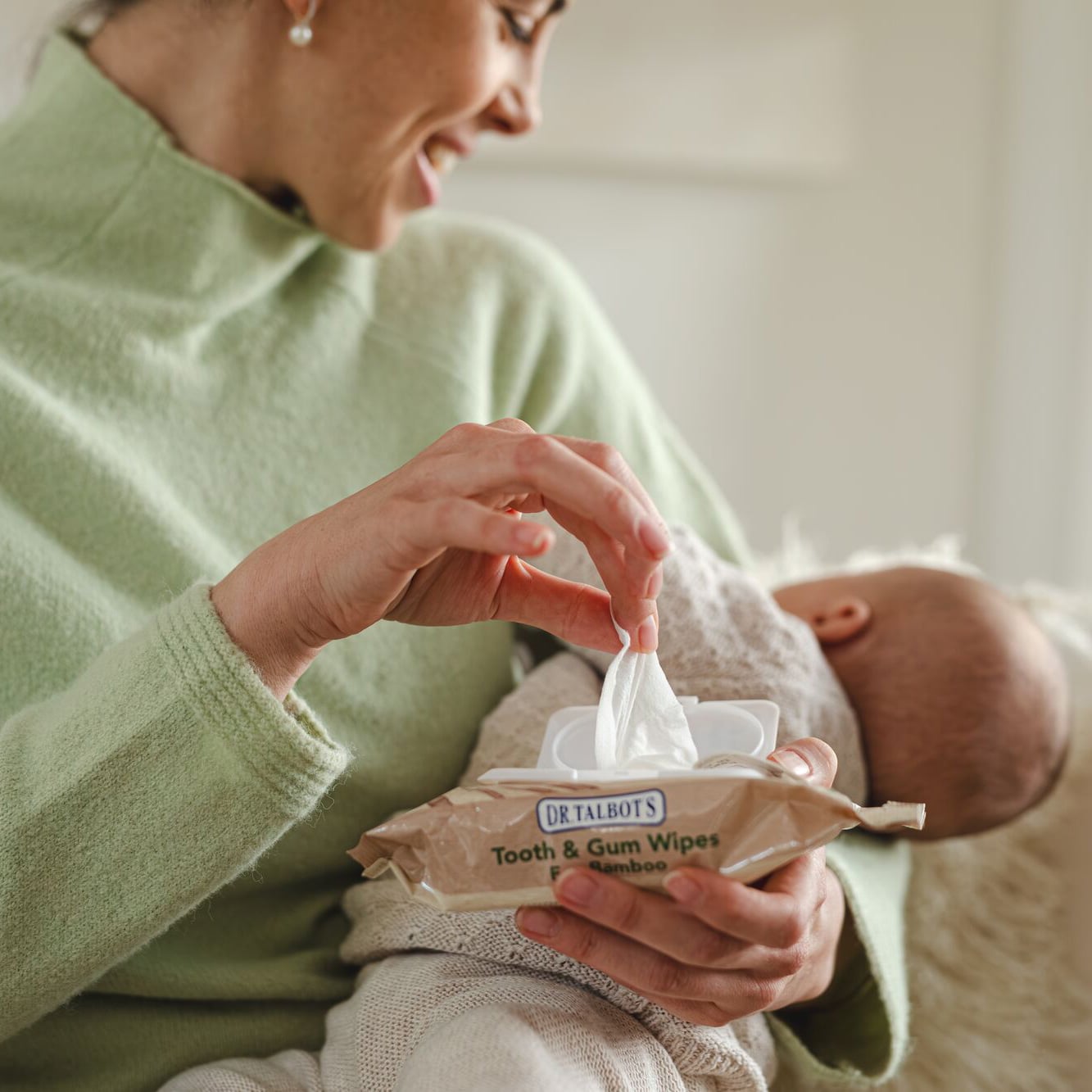
For a quick solution, use Dr. Talbot’s Pacifier and Teething Wipes. These are free from alcohol and parabens, and are ideal for a quick wipe of items that are going in and out of your baby’s mouth.
Post-Disinfection Procedures
After you have disinfected your child’s nursery, you should keep the windows or doors open. This will encourage air flow and correct ventilation. It is important to continue to rinse items that are in frequent contact with your baby, as well as cleaning surfaces. This is because some germs may have survived despite your best efforts.
Maintaining a Healthy Nursery Environment
Once your child is well, you shouldn’t just forget about proper disinfecting. Building it into your regular cleaning schedule can help reduce the number of illnesses your child is exposed to. Implementing good hand-washing practices for both caregivers and children can also help. You should also regularly ventilate the space and encourage air flow.
After struggling through your child being sick, disinfecting the nursery is often the last thing on any parent’s mind. However, following effective cleaning and disinfecting practices can help restore your nursery to a safe and healthy environment. It can also reduce the risk of future illnesses and other family members getting sick.
At Dr. Talbot’s, we believe in a nature-first approach to childcare that still places safety at the forefront. All our products are designed to help make parenting that little bit easier. Why not check out our Best Sellers Collection and Baby Care Collection?