
Cold and flu season is a stressful time for parents. With more than 200 strains of the common cold, it can be hard to tell the difference between a cold and a more serious case of the flu.
Luckily, there are usually some simple ways for parents to tell the difference between a cold and the flu. Toddlers and young children are particularly vulnerable to severe symptoms. This is why it is important to know the difference so you can provide the right care as soon as possible.

Understanding Flu Symptoms in Toddlers
In order to treat flu symptoms quickly, it is useful to know how to recognize them in toddlers. Flu symptoms tend to develop very quickly, especially in younger children. Symptoms are usually obvious within 24-48 hours. On the other hand, cold symptoms often develop gradually. Flu can often be accompanied by general body aches and fatigue, while this is less common in colds.
The severity of symptoms will depend on your child, but flu is usually at its worst for 5-7 days, with it taking 2-3 weeks for a full recovery. Recovery time from a cold is usually shorter, although this can vary. You can also expect a higher fever than with a cold.
Unique Presentation in Toddlers
When looking for flu symptoms in toddlers, we often look for symptoms we are familiar with in ourselves. In fact, toddler flu symptoms can present differently from those in adults, which can make it more difficult to spot. Some things to look out for are:
Changes in Behaviour
These can be a key indicator that your child has the flu, especially before the more familiar symptoms develop. Increased irritability, tiredness, and clinginess are all signs to look out for.
Disrupted Sleep
Anyone with a toddler knows too well that sleep can be disruptive at the best of times. However, changes in patterns and resistance can be caused by the onset of the flu.
Activity Changes
Flu can affect a toddler’s interest in play. They often lose interest in things they normally find exciting and engaging.
As a parent, you know your child the best. It is important to trust your instincts if you notice any of these changes, as they may be missed by other caregivers.
Respiratory Symptoms
As well as behavioral changes to look out for, there are also the more obvious respiratory symptoms.

Cough
Flu often presents as a dry, persistent cough. In some toddlers, it can be harsh or sound like barking. This can be eased with a natural product like Dr. Talbot’s Cough Relief. Coughs are usually worse at night. Try to use a specially designed nighttime cough medication. Dr. Talbot’s Infant Night Time Cold + Mucus Relief targets symptoms for a better night’s sleep.
Nasal Symptoms
The flu is often accompanied by a runny nose, which is usually thick mucus. This can change throughout the illness. Treat mucus buildup with Dr. Talbot’s Mucus + Cold Relief.
When to Worry
Congestion and coughing can make your toddler’s breathing more rapid and wheezy. While this is normal, you should seek immediate medical advice if you see any signs of respiratory distress.
Gastrointestinal Symptoms
Unlike the common cold, the flu can affect the whole body, including the digestive system.
Nausea and Vomiting
A less obvious symptom of the flu is nausea and vomiting. If your toddler suffers from either of these, make sure you keep a close eye on them due to the risk of choking.
Changes in Appetite
Being sick makes most of us lose our appetites. As many toddlers are picky eaters, it can be difficult to spot the difference between normal behavior and appetite loss. Try not to worry too much about how much they are eating when they have the flu. Once they recover, they will get their appetite back-usually with a vengeance!
Diarrhea
Look out for changes in their bathroom habits, as this can be an indicator of the flu. Keep an eye on the frequency as well.
Risk of Dehydration
As with any sickness and diarrhea, there is an increased risk of dehydration. Try to make sure your toddler is drinking regular fluids. Using a sippy cup or a straw can help with this. If your child is showing any serious signs of dehydration, seek professional medical advice immediately.
Complications and Special Considerations
While the flu is unpleasant, it is usually just a normal part of childhood and often times is nothing to worry about. However, sometimes it can lead to other illnesses and conditions, which parents should be aware of.
Sometimes, although rarely, the flu can turn into pneumonia. This can be serious, especially in young children, so it is key to spot it early. Common symptoms are a persistent high fever that doesn’t go away, a severe cough, and rapid breathing. If your child shows any of these symptoms, contact a medical professional straight away.
Secondary infections can also occur following the flu. Ear infections are common among children, as well as sinus infections.
In some very rare cases, children can suffer from febrile seizures. They are seizures that are usually caused by a high fever and involve whole-body convulsions and loss of consciousness. They usually last between a few seconds and 15 minutes. This can be incredibly scary as a parent, but they are usually harmless. Even though they are often nothing to worry about, you should always see a doctor afterwards.
When to Seek Medical Attention
Most often, toddlers fully recover from the flu and are back to their normal selves within a week or two. Sometimes, however, you may need to seek medical attention. In these cases, the sooner you seek treatment, the better. That is why it is good to be able to spot the warning signs.
When to Seek Immediate Care
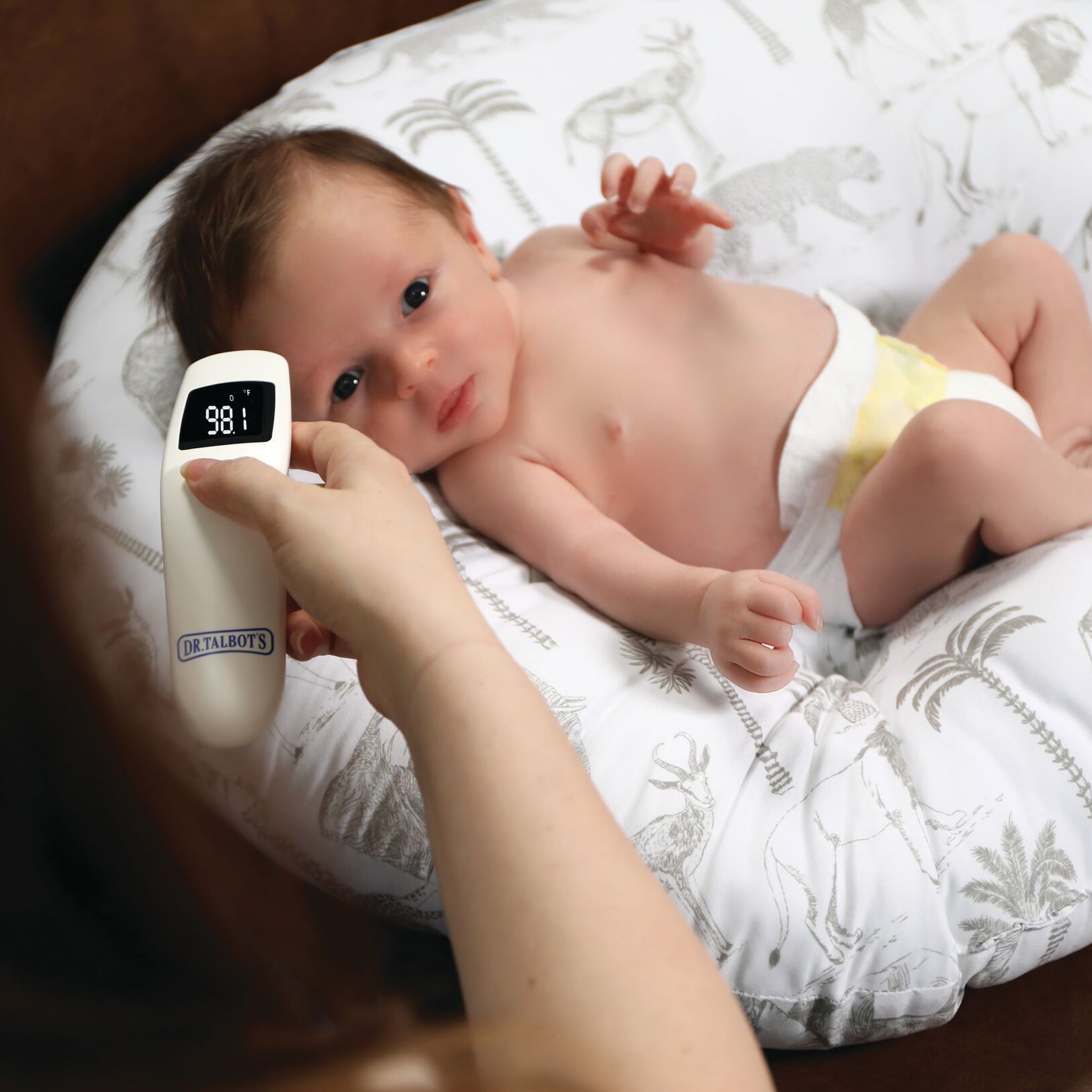
If your toddler has a very high fever (104°F), difficulties breathing, or signs of severe dehydration, you should take them to get seen by a medical professional without delay. It is good to have a reliable thermometer at home so you can keep an eye on your toddler’s temperature at regular intervals. Dr. Talbot’s Infrared Thermometers let you check their temperature without touching them. This is ideal for when they are sleeping or irritable.
When to Seek Same-Day Care
Certain symptoms should be checked out as soon as you can make it to a doctor. These include persistent vomiting, ear pain, and extreme fatigue and lethargy.
Diagnosis and Treatment
Sometimes, despite your best efforts, your toddler will get a cold or the flu. In some cases, you may need to seek medical advice. There are different types of tests that will be able to tell you if your child has a cold or the flu. These include rapid tests, PCR tests, and more thorough clinical tests.
Treatment can vary. At Dr. Talbot’s, we prefer a naturally inspired, safe approach wherever possible. To naturally control fevers, try Dr. Talbot’s Pain + Fever Relief for children 2 years and older. For younger children, Dr. Talbot’s Infant Pain + Fever Relief is safe for children as young as 6 months. In more severe cases, your doctor may prescribe antiviral medications.
Things You Can Do at Home
There are a few simple things you can do at home to help ease your toddler’s discomfort and aid recovery.
Rest
The most important thing your child needs for recovery is rest. You can help support this by creating a calm and comfortable environment for them. Try to keep energetic activities to a minimum. This may mean keeping certain toys out of sight temporarily.
Hydration
You should also try to keep your toddler hydrated, which can be a struggle! Consider using a sippy cup or a straw to encourage them to drink enough.
Comfort
Keeping their environment comfortable will help keep them comfortable. If the air is dry, try using a humidifier, as this can ease symptoms. You can also try changing how they are positioned in bed, as lying flat can cause mucus to build up. Extra cushions or books under the base of their bed can create an optimal resting position.
Prevention and Immune Support
Once your toddler has recovered, you don’t want them to catch anything again! There are a few practices you can build into your routine to help prevent future outbreaks.
Vaccinations
Many parents choose to give their child the flu shot each year. To allow it to be the most effective, try to schedule it in the fall, as this will give them protection for the whole winter season.
Immunity Support
Daily vitamins and supplements can help strengthen your toddler’s immune system, helping them to fight off germs. Dr. Talbot’s Kids Multi-Vitamin Gummies are suitable for children 2 years and over and are naturally flavored with real fruit juice. For younger children, Dr. Talbot’s Vital 12 also offers safe, natural support.
Hygiene Practices
Teaching toddlers correct handwashing techniques can make a huge difference in how many germs they come into contact with. You can also frequently wipe contact surfaces around the home using a suitable spray.
The flu and cold season can be a parent’s worst nightmare. Nobody likes to see their little one in pain and discomfort. By implementing some preventative measures, you can help reduce your child’s chances of getting sick. If they do catch a virus, having safe and naturally inspired medication at home can ease their symptoms until they feel better.
At Dr. Talbot’s, we believe in a safe and naturally inspired approach in all our products. For more helpful articles, take a look around our Mom Blog and Wellness Hub.
Essential FAQs
How can I tell if my toddler has the flu or just a cold?
Flu symptoms tend to appear quickly, while colds are more gradual. As a general rule, flu symptoms are more severe and last longer.
When should I take my toddler to the doctor for flu symptoms?
Generally, toddlers won’t need to see a doctor when they have the flu. However, certain warning signs need to be seen by a professional immediately. These include breathing difficulties, high fever (above 100°F), and dehydration.
Are natural remedies safe for treating flu in toddlers?
Naturally-inspired products can be great at supporting your toddler during the flu. If you are unsure, you should speak to your pediatrician before giving them anything new.
How long does the flu typically last in toddlers?
Generally, symptoms last 5-7 days, while it can take 2-3 weeks for a full recovery. This can vary in children, though.
Can I give my toddler the same flu medicine I use?
You should never give a child adult medication. Instead, choose age-appropriate medicines that have been fully tested.


