
We have all heard the stories about children going to daycare and coming home with an illness every other week. Unfortunately, this is often true, particularly when they first start. Exposure to new viruses and illnesses can be a shock to their immune system until they build up some antibodies.
Although it can be a difficult time for children and parents, the benefits of day care often outweigh this inconvenience. With the correct preparation, you can help reduce your child’s risk and discomfort during this time.
Understanding Cold and Flu in Daycare Settings
While it is important to prepare your child the best you can, it can also be helpful to understand why going to daycare can increase the number of illnesses they experience.
Why Daycare Means More Illness (and Why it’s Normal!)
New Exposure to Illnesses
For many children, going to daycare is their first real experience of continuous time out in the world. While in the safety of their own home, the number of viruses and illnesses they are exposed to is minimal. This means their immune systems haven’t had as much time to develop. When they start at daycare, it takes a while for them to develop the antibodies, meaning more illness until they manage to catch up.
How Children Interact
Another key factor is how children interact. At daycare, children tend to share toys and play in close contact. This is the perfect environment for illnesses to pass between children. This is particularly true of younger children, as they tend to have less developed hygiene habits.
Seasonal Patterns
The time of year will also play a role in the number of illnesses your child comes down with. Viruses are particularly prevalent during the winter months. On the other hand, allergies tend to be the most troublesome during the spring. However, both can be a risk all year round.
Age
At what age you send your child to daycare can also affect how they respond to viruses. Older children will usually have a more developed immune system than younger children. This is why they are less likely to get sick as often, although every child is different.
While it can be upsetting to see your child getting sick every other week, it is a normal part of growing up. Early exposure to viruses can help strengthen the immune system in the long run.
Common Cold and Flu Patterns
We often think that we are only contagious once we have symptoms, but the common cold can actually spread before you even feel ill.
- Incubation Period: During this time, children won’t show any symptoms but are often contagious.
- Peak Transmission: This is the most contagious stage of colds and flu. Your child will probably have noticeable symptoms. The spread can be worsened in younger children by coughing without covering their faces.
- Behavior Effects: Children often cough and transmit mucus while playing with toys and other children. This can accelerate the spread of the virus.
- Seasons and Holidays: Viruses can spread particularly quickly during the winter, as children are often inside without adequate ventilation. We also tend to gather in larger groups for the holidays, increasing the level of exposure.
Building Your Child’s Immune Resilience
Although colds and viruses are part of growing up, there are things we can do as parents to help build our children’s immune systems.
Nutritional Support
One of the easiest ways to help build your child’s immunity is with nutrition and supplements. Foods high in vitamins and minerals, like vegetables, will be incredibly beneficial.
You can also give your child a natural and safe supplement designed to support their immunity. Dr. Talbot’s Vital 12 is safe to give to babies as young as 3 months.
Sleep
When we sleep, our bodies fight illnesses and build immunity. That is why it is so important that your child gets the right amount of sleep appropriate for their age. As a general guide, children up to the age of one should get between 12 and 16 hours. Between 1-2 years, it should be 11-14 hours. Children between 3 and 5 should be getting 10-13 hours a night.
Stress
Higher levels of stress and anxiety can have a big impact on general wellness and immune response. To minimize this, try to create a smooth transition when they begin daycare.
Playing Outdoors
Studies have shown that being outside can help improve immunity. Try to get your child outside as much as you can. If the weather is cold, make sure they are suitably dressed.
Essential Home Preparations Kit
There are several things you can have at home to make caring for a sick child easier.
Health Monitoring Equipment
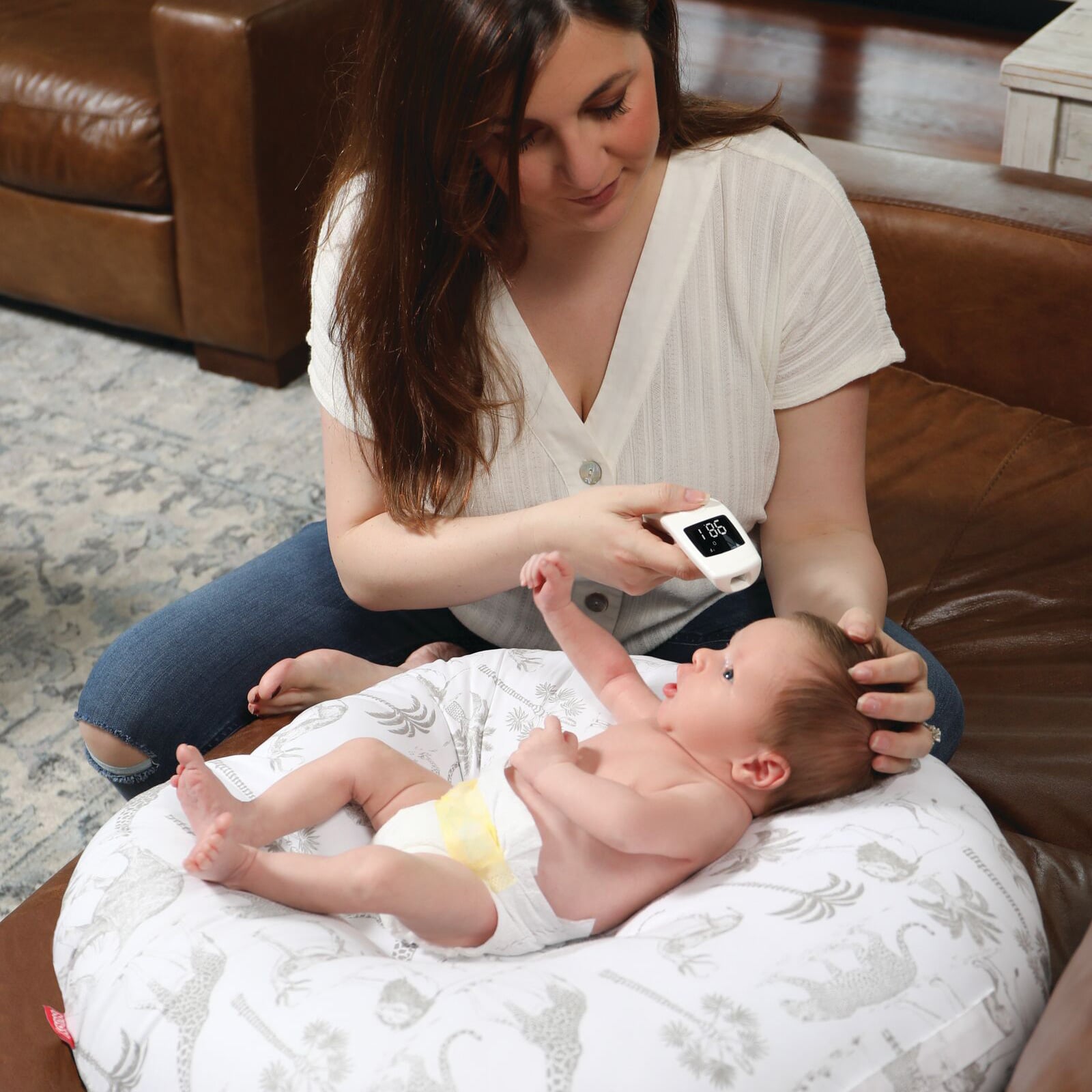
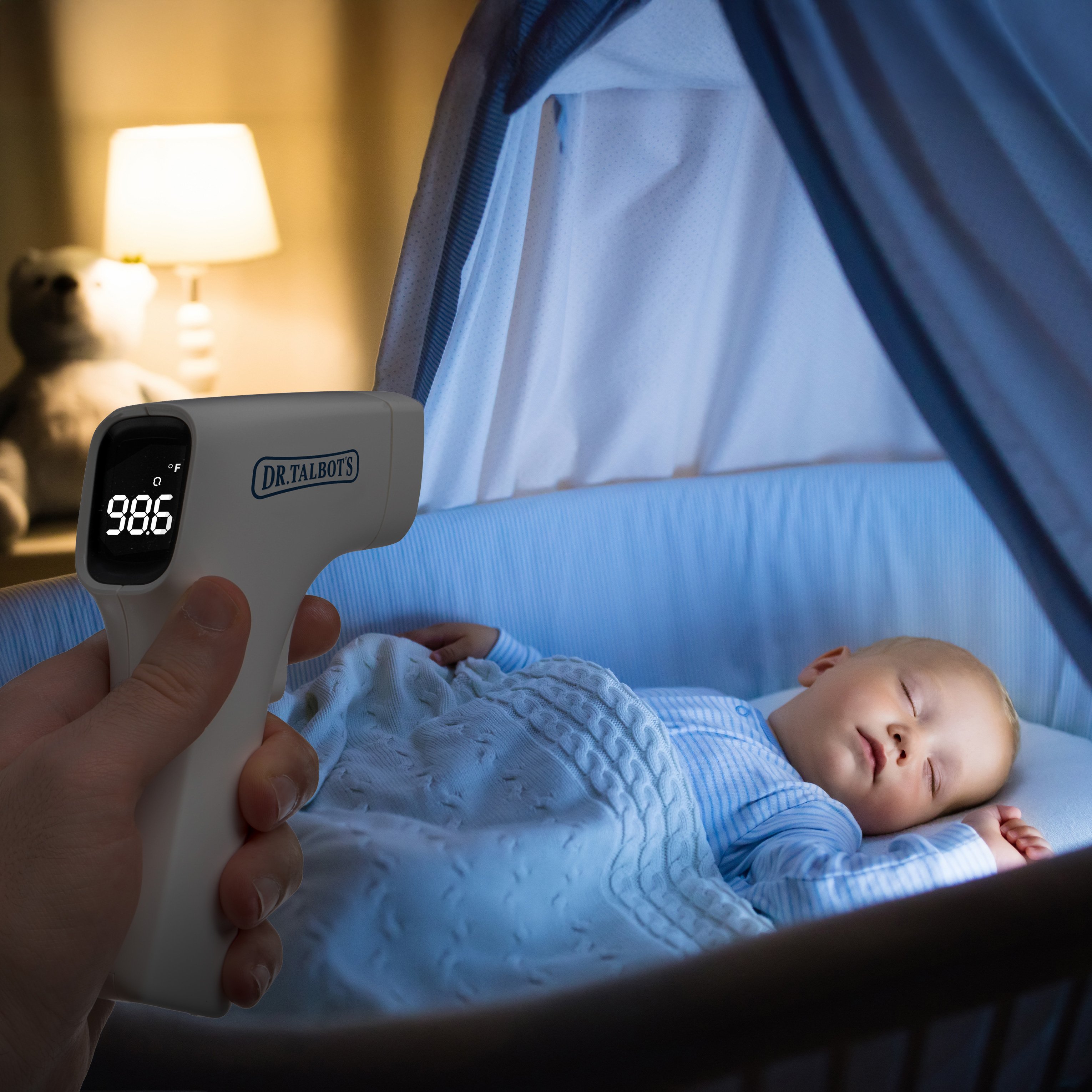
One of the most important things to have at home is a reliable and accurate thermometer. Many parents choose an infrared thermometer as it allows you to check multiple body parts for more accuracy. Dr. Talbot’s Infrared Thermometers means you can check your child’s temperature. There is no need to touch or disturb them when they are sleeping.
If you prefer a digital thermometer, Dr. Talbot’s Flex-Tip Thermometer can be used in the ear, mouth, or rectum. Its easy-to-read screen displays results in less than 10 seconds.
It is advisable to have a backup thermometer in case one isn’t working.
Medicine Cabinet Essentials
You never know when your child is going to be struck down by a dreaded cold or flu. It is therefore always a good idea to have a selection of essential products in the medicine cabinet:
- Fever and Pain Management: One of the most common symptoms of colds and the flu is a fever. Having something safe and effective on hand is a must. Dr. Talbot’s Pain + Fever Relief is made with naturally inspired ingredients to help relieve pain and lower temperature.
- Cough Relief: You should also have something to help relieve coughs. Look for different products that are designed for day and nighttime use. For daytime, try Dr. Talbot’s Mucus + Cold Relief, and for nighttime, Dr. Talbot’s Night Time Cold + Mucus Relief. Both are made using naturally inspired ingredients.
- Comfort: Sometimes your sick child just needs a bit of extra help to relax. Dr. Talbot’s Chamomile Soothing Tablets use naturally inspired ingredients to help soothe and calm your child.
When choosing products, you should always check that they are age-appropriate. Look for safe products that use naturally inspired ingredients for a more homeopathic approach. All Dr. Talbot’s products are made to the highest standards in an FDA GMP-registered facility.
Comfort and Care Supplies
Medication and nutrition can do wonders for a child who has the flu, but there are also more practical steps you can take to ease their discomfort.
- Hydration Tools: When your child has the flu or a cold, it is important to keep them hydrated. This can be a battle, so using a sippy cup or straw can help make it easier.
- Comfort Items: Try to keep your child as comfortable as possible. Make sure they have extra blankets for warmth, as well as their favorite stuffed animals.
- Hygiene Supplies: Colds can be messy. Having extra tissues or wipes close to hand will help keep you and your child cleaner.
Daily Health Assessment and Communication
As parents, we have a responsibility to our children and other children when it comes to daycare. It is important not to send your child when they are sick, and it is important to know the signs.
Pre-Daycare Assessment
If you suspect your child is sick, you should check them every morning before taking them. Checking their temperature is a good indicator of wellness. You should also look out for any symptoms. Sick children will usually have less energy and a lower appetite, so these are good things to look out for.
Decision-Making Criteria
Every daycare will have different thresholds for keeping children at home. If you are unsure, contact your daycare center directly.
Many daycares will ask that you not give your child medication before coming. This is because it can relieve a fever while the child is still very contagious. Again, check with your provider directly.
Communication with Your Daycare Provider
It is important to establish a good line of communication with your daycare provider from the beginning. You should inform them of any illness your child has, as well as any medication they have been given. Some providers will have an app or online portal for this information, while others will ask you to call them directly.
They must have the correct details for an emergency contact. If possible, try to provide more than one contact in case someone is unavailable.
When your child starts daycare, take time to read the safety and health policies. This will help you navigate any regulations when your child is unwell.
Monitoring Throughout the Day
If you have sent your child to daycare, you should receive updates on any symptoms. Some may only do this when they worsen. Most daycares will check temperatures multiple times when they are concerned, and this information should be relayed to you.
Prevention Strategies and Best Practices
Building some simple practices into your daily routine at home can help prevent your child (and everyone else!) from getting sick.
Hygiene at Home
Teaching children good hygiene from a young age can help reduce virus transmission in the long run. Teach your child about the correct way to wash their hands from as young as you can.
Keeping the home clean will also help reduce the number of viruses, as well as other household germs. Using an effective surface cleaner regularly will help keep contact surfaces clean.
It is also important to teach the whole family the importance of a healthy lifestyle and how it can impact wellness. Adequate sleep, nutrition, and exercise give our bodies the best chance of fighting off any nasty viruses and illnesses.
Seasonal Preparations
It can be especially hard to stay healthy during the winter months, when flu and cold viruses are everywhere. Consider giving your child the flu vaccine. If you do decide to give it to them, it is important that they have it in the fall before the flu season is at its worst.
Our exposure to vitamin D is reduced during the winter months as there is generally less sunlight. Supplements with vitamin D are a great way to make sure they are still getting their recommended dosage.
Building Long-Term Immunity
Early childhood is a great time to build your child’s immunity, which can last for the rest of their life.
When to Keep Children Home vs. When They Can Attend
It can be a fine line between sending a child when they are too sick and keeping them home when they are actually well enough to go. Where this line falls will usually depend on the criteria of your individual daycare provider.
Fever Policies
This is often the most clear-cut and easiest to navigate. Most daycares will have temperature thresholds. Children who have a fever above this should stay at home. Anyone who develops a temperature above this limit will most likely be sent home.
Some daycares will ask that a child be fever-free for 24 hours before they can return. Similarly, many ask that you not give your child fever-reducing medication before attending. These policies will be specific to your daycare provider, so you should always check.
Symptom-Based Decisions
Not all children have a fever when they are sick. Instead, they may have a range of symptoms. Whether you can send your child will depend on your daycare’s policies.
Your daycare may ask that children with some illnesses stay at home, regardless of the symptoms or fever. It is important that you always let them know if your child has one of these, so they can make other parents aware.
Borderline Situations
Most of us aren’t medical professionals, so it can be hard to know when it is ok to send them and when it isn’t. In these situations, it is often wise to err on the side of caution. This will help community health. Other children and caregivers may suffer from conditions that cause them to have a weakened immune system. Always speak to your provider if you are at all unsure, as they will be able to best advise you.
Starting daycare is a big deal for both children and parents. It can bring happiness, stress, and a whole range of emotions. It can also bring a whole host of new illnesses to contend with. The correct preparation will help you navigate this both safely and effectively. This will help to support your child’s developing immune system, setting them up for the rest of their lives.
At Dr. Talbot’s, we believe in a natural and safe approach to family health. For more advice and tips, check out our Mom Blog and Wellness Blog.
FAQs
How often should I expect my child to get sick in their first year of daycare?
This will depend on your child, but you can expect about 6-12 minor illnesses during the first year. The frequency of these will then hopefully decrease as your child’s immune system develops.
What temperature constitutes a fever that requires keeping my child home from daycare?
Each daycare will have its own temperature thresholds, but a general guideline is 100°F or higher. It is important that you use an accurate thermometer and check it regularly.
Should I send my child to daycare if they’re on medicine but feeling better?
Every daycare will have its own guidelines on this, so you should check. It is important to bear in mind that sick children need rest to recover, so often home is the best place for them, wherever possible.
What supplies should I always have ready for when my daycare child gets sick?
You should have a range of essential medications, a reliable thermometer, and items for your child’s comfort. Naturally inspired products are usually the safest and gentlest, like those offered by Dr. Talbots.
How can I boost my child’s immune system to handle daycare exposure better?
Ensuring your child has the correct amount of sleep and nutrition will help give their immune system the best chance. Stress can also play a role.