
Did you know that sleeping in a room with dry air can have a negative impact on your child’s health? This is particularly true during the winter months. One of the most obvious solutions is to use a humidifier, but some parents worry if they are safe to place in a child’s room.
In our guide, we will look at why proper humidity matters for your child’s respiratory health, as well as safety guidelines. This guide will also look at the benefits of cool-mist humidifiers over warm-air models.

Understanding Cool-Mist Humidifiers for Children
One of the best and safest ways to ensure the correct humidity in your child’s room is by using a cool-mist humidifier. But how are they different from warm-mist humidifiers, and what makes them safer?
What Are Cool-Mist Humidifiers and How They Work
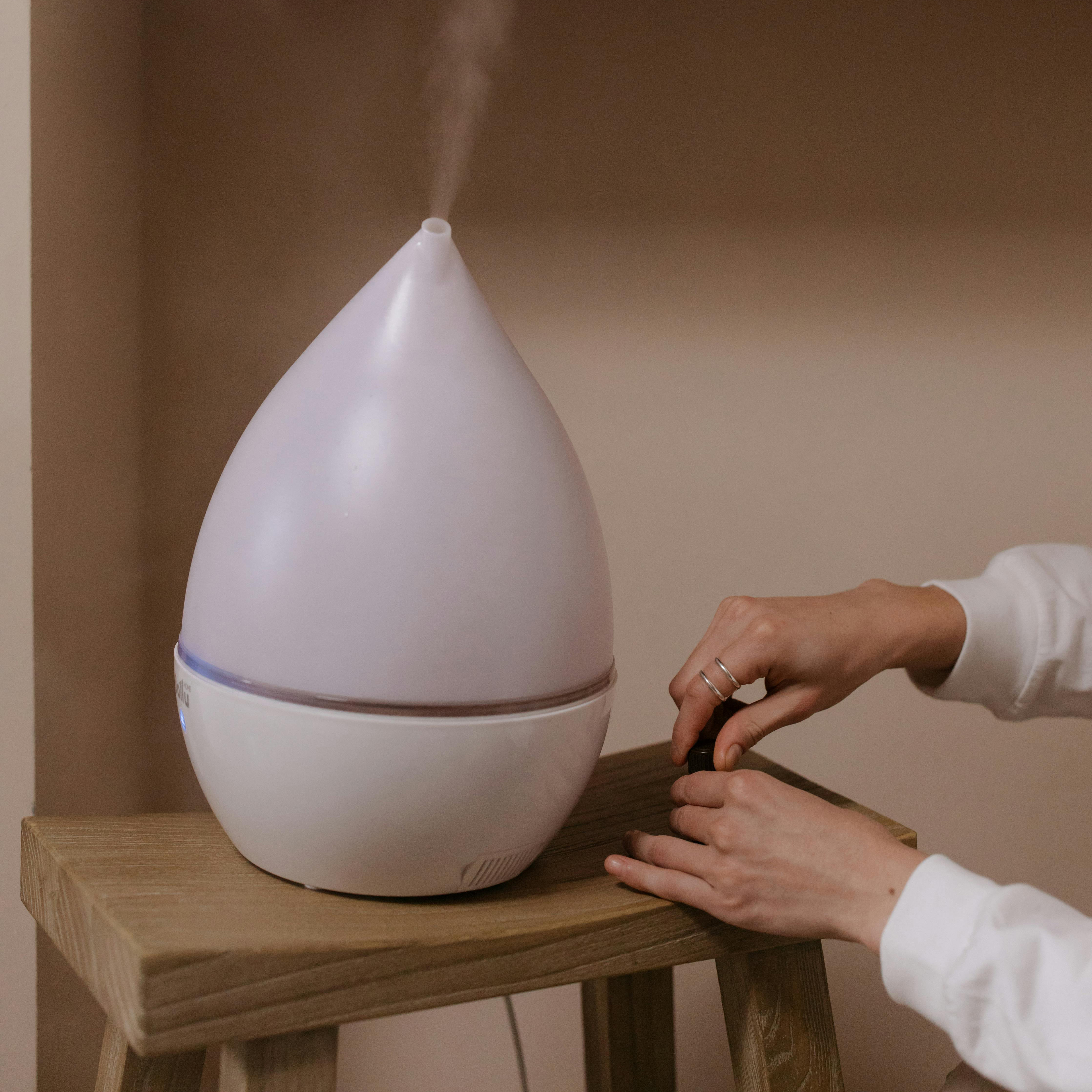
Cool mist humidifiers work by adding moisture to the air. Unlike warm-mist models, they don’t heat the water up. This makes them safer for a nursery environment as there is no boiling water. They then disperse the cool vapor using either a fan or ultrasonic vibrations. Many have built-in safety features, like auto-shutoff, which make them ideal for your child’s room. Cool-mist humidifiers are also the more energy-efficient option. This makes them cost-effective compared to a warm-mist version.
Why Cool-Mist Is Recommended for Children's Rooms
There are several reasons that make cool-mist humidifiers a better choice for children’s rooms. As they don’t rely on boiling water, there is no risk of burning. The reduced energy consumption also makes them less of a risk. Many models are designed specifically for children’s rooms, so they have additional safety features built in. This makes them ideal for safely adding moisture during the winter months when the heating is on.
Health Benefits for Children's Respiratory Wellness
Dry air can have a number of effects on your child’s respiratory wellness. This is particularly evident during the cold and flu season when we also have our heating on more often.
Adding moisture to the air can help soothe nasal passages, clearing them of mucus and relieving congestion. You can also offer increased relief by using Dr. Talbot's Mucus + Cold Relief. It can help reduce the severity of coughs by soothing dry and irritated airways. Dr. Talbot's Cough Relief uses naturally inspired ingredients for a safe and gentle approach. Cold-mist humidifiers can also be helpful in preventing dry skin and improving sleep.
Safety Guidelines for Placement and How to Use Them
To get the most benefits from a cold-mist humidifier, you should know where to place it and how to use it correctly.
Optimal Placement for Safety and Effectiveness
When placing the unit, you should look to have it high enough to be out of your child’s reach. However, you still want it to be accessible so you can refill it easily. Try to choose a stable surface, so the water doesn’t spill. There may be some water leakage, so if you are placing it on a wooden surface, consider a protective mat underneath.
For maximum effectiveness, it should be between 3 and 6 feet from where your child sleeps. Make sure all cords are safely concealed and the electrical outlet is child-proof.
Essential Safety Features to Look For
Most cold-mist humidifiers will come with built-in features to improve their safety. One thing to look out for is an automatic shut-off. This will turn off the unit when the water level is too low or when it tips over. Some models will also have a secure tank, which prevents spills and leaks, which is especially useful around small, curious hands.
Some models are designed specifically for children’s rooms, so they will have additional features. They may have temper-resistant controls that make it difficult for children to change. Special modes for nighttime are also common. Often, they have lower noise levels and gentle illumination to reduce sleep disruption.
Humidity Level Management and Monitoring
Ensuring the right level of humidity in your child’s room will have the most benefits. Ideally, you are looking for a level of 30-50%. To check this, you can put a hygrometer in the room. This will display the humidity level. It is a good idea to make checking this a part of your daily routine. You may need to adjust your cool-humidifier to suit any seasonal changes.
Daily Operation and Maintenance for Safety
To get the best out of your cool-mist humidifier, you should follow certain daily practices, as well as regularly maintain it.
Safe Daily Operation Procedures
If you are using it every day, consider using distilled or filtered water. This will help reduce any mineral buildup. You should also take out the water tank and clean it regularly.
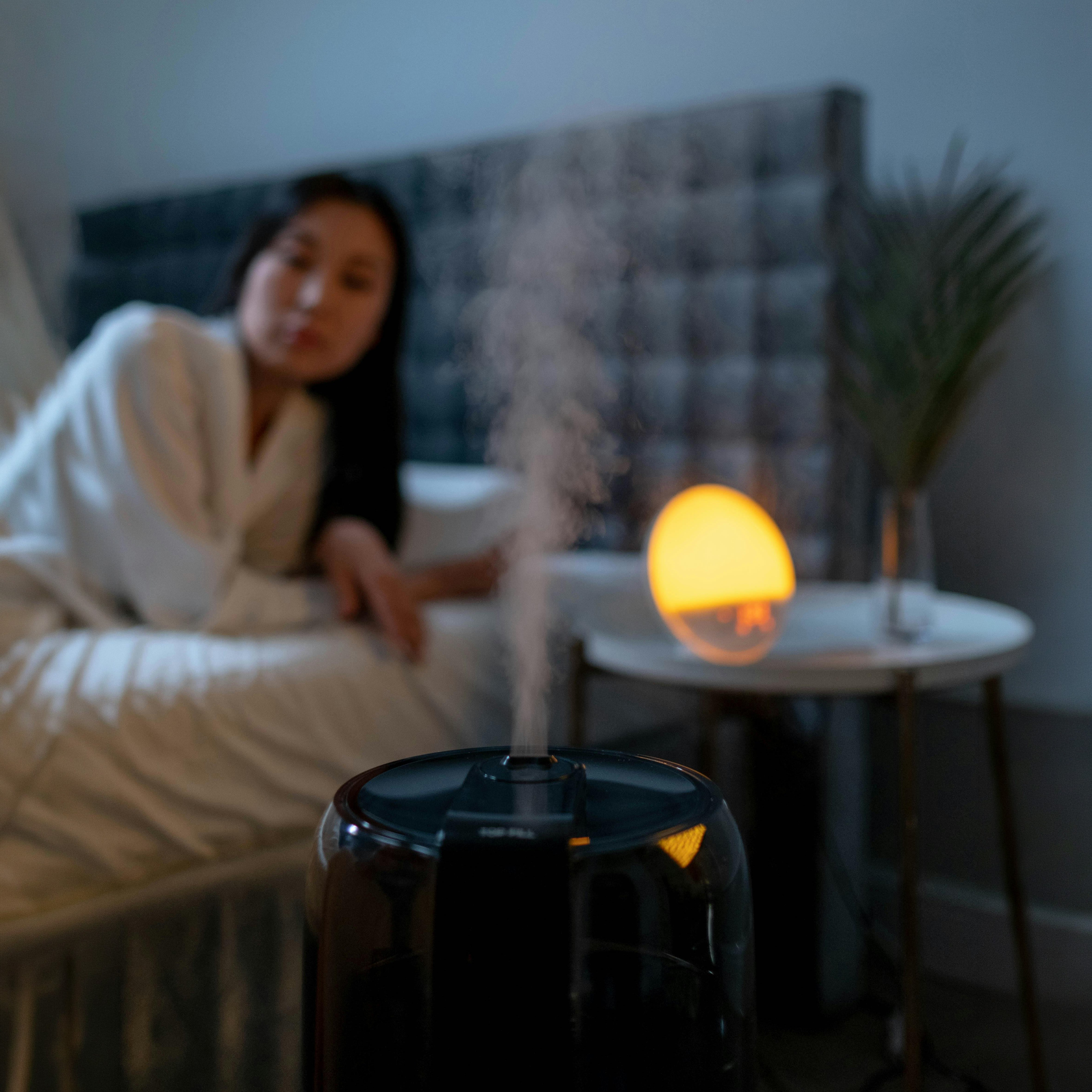
If you are using it overnight, you can make sure there is an emergency shut-off in case it malfunctions. Alternatively, you can use a timer to stop it after a certain amount of time.
Cleaning and Maintenance for Health and Safety
Cleaning your cold-mist humidifier will help it last longer and keep it operating safely.
To keep it operating at maximum efficiency, you should replace the water every 1-2 days and rinse the water tank. This will prevent any bacteria. You should also wipe down all the exterior surfaces.
Once a month, aim to completely disassemble the machine. You should also check any filters and replace them if necessary. If you are in a hard water area, remove any mineral buildup.
Complementary Respiratory Care for Children
Cool-mist humidifiers offer great support for your child’s respiratory health, but there are also other measures you can take.
Using a Humidifier with Respiratory Support
When your child has a cold, congestion can be one of the most obvious symptoms. Adding humidity to the air can help ease their symptoms. You can also use a product like Dr. Talbot's Infant Night Time Cold + Mucus Relief alongside it to ease symptoms. If your child has a buildup of mucus, using Dr. Talbot's Elephant Nasal Aspirator can gently clear nasal passages. Younger children find it harder to clear their nasal passages, so you can use Dr. Talbot's Electric Nasal Aspirator. This can help clear their passages so the medicine is more effective.
Humidity doesn’t just matter during the cold, winter months. Depending on where you live, your child may suffer during the warm months, too. This could be because the air is dry or they suffer from allergies. Dr. Talbot's Infant Daily Allergy Relief can work with a cool-mist humidifier to soothe allergy symptoms.
Supporting Overall Respiratory Health
Using a humidifier can improve the air quality of your child’s room, but you should also make sure you regularly ventilate the space. Depending on where you live, you may also want to consider air purification. Regularly cleaning the room while using a humidifier will reduce the presence of dust and irritants.
Age-Specific Considerations
How you use a cool-mist humidifier may change slightly depending on the age of your child.
Different Age Groups
Infants (0-12 months):
If your child is less than 12 months, you should monitor their environment regularly, as they are more sensitive to changes. They are also at a higher risk of SIDS, so you should make sure you check safe sleep guidelines.
Toddlers (1-3 years):
Toddlers are notoriously curious, so make sure the humidifier is out of reach. Safe cable management should also be followed. As your toddler gets older, you can teach them about the humidifier and how to be safe around it.
Preschool and School-Age (3+ years):
As your child approaches school-age, you can start teaching them what humidity is and how it impacts their comfort. You can also involve them in any cleaning or maintenance tasks.
The thought of using a humidifier in a child’s room is a scary prospect for many parents. This is often because they don’t realize that cool-mist humidifiers don’t rely on hot water, making them a safe alternative for child spaces. Using them regularly helps regulate humidity in your child’s room, which helps reduce congestion and mucus build-up. This makes them a game-changer, especially when supported by Dr. Talbot’s Cold & Flu Relief Collection.
For more guides and expert advice, head over to our Wellness Hub and Mom Blog.
5 Essential FAQs
What's the ideal humidity level for my child's bedroom?
Ideally, you are looking for a humidity level between 30-50%. This can be measured with a hygrometer. Regulating this is important as too much humidity increases the risk of mold, and too little can cause respiratory discomfort.
Are cool-mist humidifiers safer than warm-mist humidifiers for children's rooms?
Yes, cool-mist humidifiers are safer because they don’t use hot water. This means there is no risk of burning. Many of them have built-in safety features, making them more suited to a child’s room.
How often should I clean my child's room humidifier?
You should change the water daily and rinse out the tank every 2 days. Following a weekly deep cleaning schedule and monthly maintenance will keep it working safely. It will also help prevent the growth of bacteria and mold.
Can I use a humidifier alongside Dr. Talbot's respiratory relief products?
Using a humidifier with Dr. Talbot’s respiratory products will offer extra support for your child. The naturally inspired ingredients work alongside proper moisture control to offer respiratory relief.
Where should I place the humidifier in my child's room for safety and effectiveness?
Depending on the age of your child, you should aim to place it high enough that it can’t be played with or knocked. You should also consider electrical safety. Proper air circulation is important for humidity, so try to place it between 3 and 6 feet from where they sleep.
