
Assany parent will tell you, some diaper changes can seem to go on forever. This feels particularly true when you have a fussy newborn. Luckily, there are things you can do to soothe your newborn and make the process easier (and more enjoyable for everyone involved!)
Understanding Newborn Discomfort During Diaper Changes
Before we try to make it more soothing, it is important to know why diaper changes cause newborns discomfort.
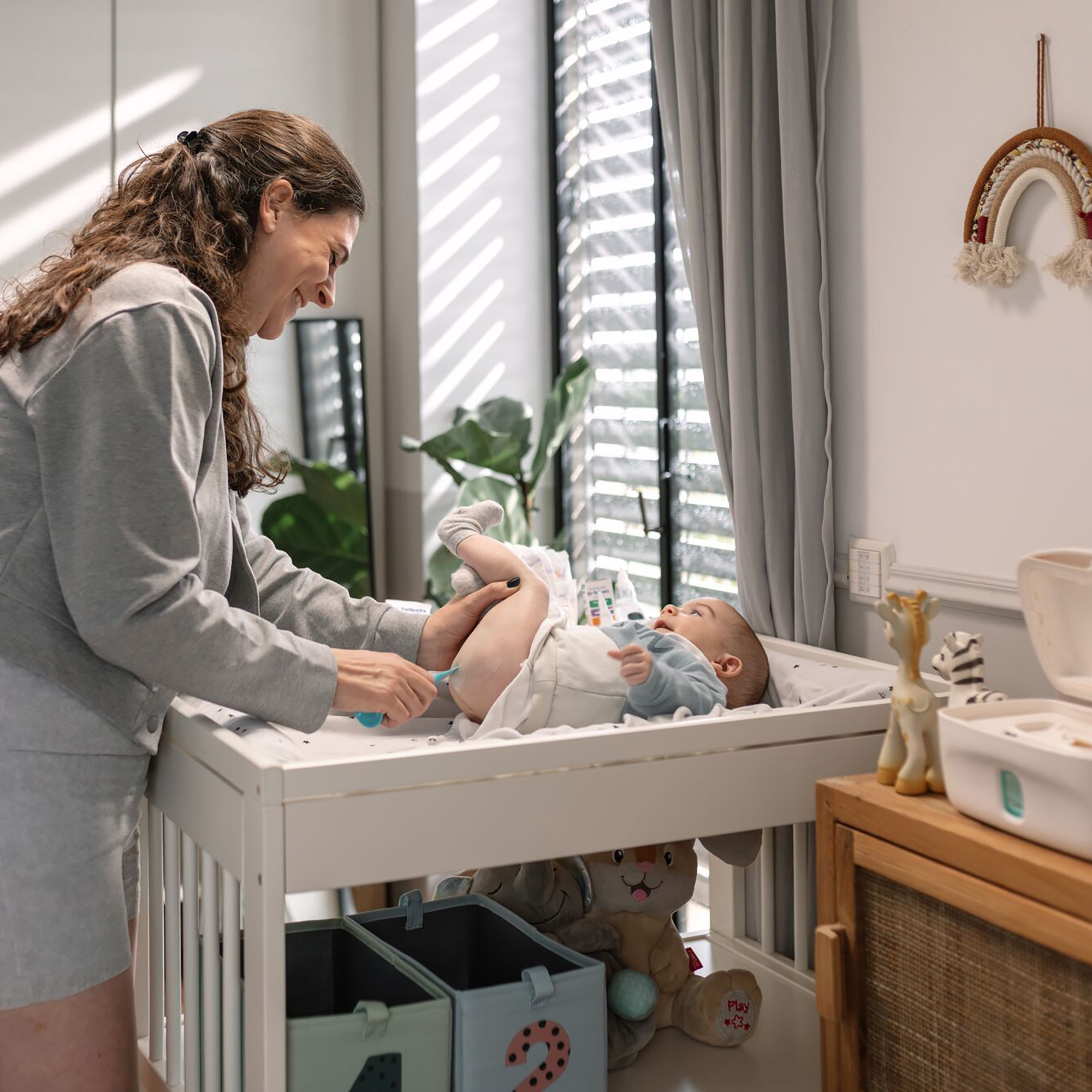
Why Changing Diapers Upsets Newborns
There are lots of things that can upset your newborn during a diaper change. These include:
- Temperature Changes: Babies like to be warm and snug. So, moving them from somewhere warm to a cold changing mat or using a cold wipe can be a shock. This can make them feel unsafe.
- Sensory Overload: There can be a lot going on during a diaper change, including different sounds, textures, and a change in environment. This can cause sensory overload in newborns, which they may find upsetting.
- Disruption: When we change a newborn’s diaper, they are normally taken from an environment where they feel secure and safe, such as a crib or a parent’s arms. This quick removal can cause stress about security and containment.
Reading Your Baby's Cues and Body Language
When it comes to diaper changes, not all newborns behave the same. It can be helpful to learn and recognize common cues and how to read your baby’s body language.
Recognizing Pre-Distress Signals
Learning how to recognize that your baby is on their way to being distressed before they are is an incredibly useful tool. Pay attention to what your baby is doing and how they are moving their body, as they may indicate they are becoming increasingly upset. You can then make changes to soothe them.
Learning Different Cries During Changes
Not all newborn cries are the same, and learning the differences will help any parent. This can be particularly helpful during diaper changes.
Knowing When Your Baby is Content
As well as learning how to spot when your baby is distressed, it is also good to know when they are content. Again, this will look different in every baby, but common signs include cooing and gurgling.
The Psychology of Newborn Comfort
As well as knowing how to read and respond to your baby’s body language, it can be helpful to know why it is happening. Newborns develop attachments to their caregivers, which helps build the groundwork for positive development as they grow. Newborns need to learn that their caregiver will keep them safe and respond to their needs.
Newborns are helpless and feel secure when their parent or caregiver responds to them. Predictability plays a vital role in building this relationship. For instance, they will come to know that if they have a dirty diaper, their parent will change it quickly and relieve their discomfort.
Being responsive to your baby’s needs will help build trust and a secure relationship. This helps enormously as babies grow up and helps them develop in a healthy way. Extra stress, such as a disruptive diaper change, can stress newborns and interrupt this attachment and sense of trust.
Comprehensive Soothing Strategies
Now that you know why it is important to soothe your baby during diaper changes, you probably want to know how you can change your routine. There are a number of simple changes you can make to help soothe and comfort your baby during their diaper changes.
Creating the Best Changing Environment
One of the easiest and simplest ways to make diaper changes less stressful is to make changes to the changing space.
Temperature
Babies, particularly newborns, like to be warm and cozy. Cold changing mats and baby wipes can surprise them, causing them stress and discomfort. A great way to help reduce this is by using a wiper warmer, like Dr. Talbot's Easy-Open Wipe Warmer. This clever device gently warms wipes so they are at the perfect temperature whenever you need them.
Lighting
We all know that rush of adrenaline when someone turns a bright light on in the middle of the night. This is exactly the same for newborns, particularly during nighttime diaper changes. To help calm the space, consider installing a nightlight that gives off a soft, warm light. This will allow you to see what you’re doing without too much disruption. Dr. Talbot’s Wipe Warmers come with built-in nightlights that give off a soft, soothing glow.
Comfort
Newborn skin can be incredibly sensitive. Choosing a comfortable changing mat can help soothe their skin during changes. Dr. Talbot's Disposable Changing Pads offer a soft and clean surface to change your baby both at home and on the go.
Efficiency
As soothing as you make diaper changes, you still want them to be as quick as possible. Make sure you have everything you need close to hand so you aren’t hunting around for things during the change.
Communication
How you speak to and communicate with your newborn during diaper changes can also have a positive impact. The sound of your voice will signal comfort to them, so it is a great way to minimize distress.
You can also try singing to them in a calm voice to help soothe and reassure them. Some parents find that explaining the process in a calm voice can help. This also helps build predictability.
Physical Touch
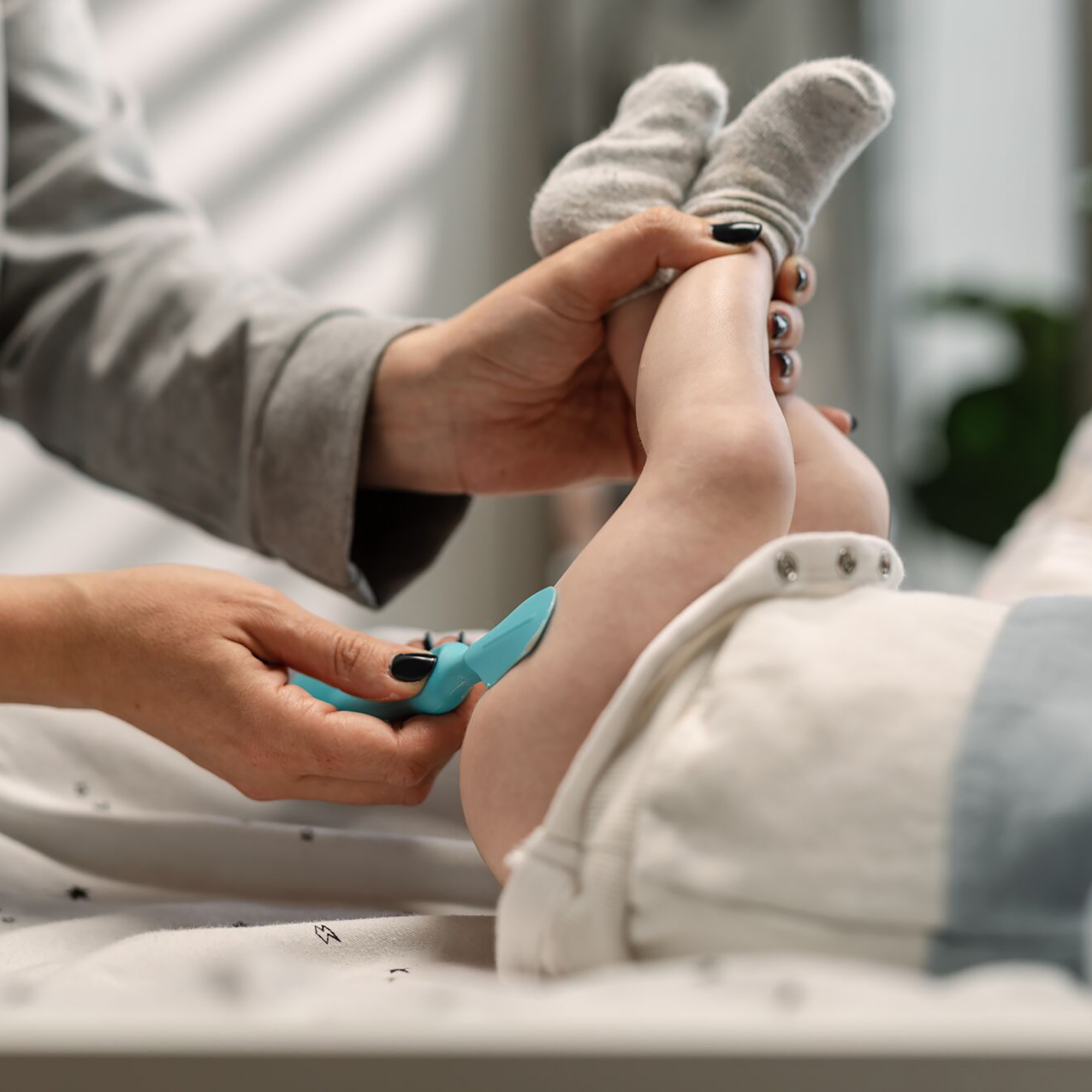
Newborns love to know you are close; it helps them feel safe and secure. A gentle touch throughout the diaper changing process can help reassure them. This can be done as part of the changing process or by incorporating gentle massage techniques.
Distraction Methods
Depending on your baby’s age, you may find that adding stimulation can help distract them while you are changing them. This can be done using toys or mobiles placed directly within their line of vision when lying on the changing mat.
Efficient Changing
Ideally, you want the whole process to be as quick as possible. This will come with practice, but you can also look at ways to improve the process. Learning how to change a diaper one-handed is an excellent skill, as it allows you to interact with your baby at the same time. Preventing diaper rash using a zinc-oxide diaper cream like Dr. Talbot’s Diaper Rash Ointment will help reduce the time treating rashes.
Soothing Tools
There are also several handy tools you can use to help calm your newborn during diaper changes. Depending on whether you choose to use a pacifier, try to have one close by to soothe them during the diaper change. Some babies will have items that bring them comfort, such as soft toys, so these can also be used during diaper changes.
Specially-designed items such as changing pads and wipe warmers can also help add comfort to the changing routine.
Having an upset and distressed newborn can make any parent begin to dread diaper changes. Following our guide will help you make easy changes to your diaper changing routine that can help reduce discomfort and soothe your baby. Using the right products and planning out your changing space in advance can help take some of the stress out.
For more helpful guides and tips, make sure you head over to the Dr.Talbot’s Mom Blog and Wellness Blog.