
Cold and flu season can be a challenging time for parents. Constant illnesses, tired children, and disrupted sleep are enough to bring any parent to the brink of despair. But is there anything you can do to support your child’s immune system during this time?
Nutrition plays a massive part in your child’s immunity. The simple act of giving them the best foods can help boost their ability to fight off illness during the cold season. In our guide, we will look at how food can help with immunity and what foods you should be giving your child for the best chance.
This information is for educational purposes only and should not replace professional, medical, or nutritional advice.
Understanding Children's Immune System Needs
As adults, we usually have a brief understanding of our own immunity. However, a child’s immunity has some differences, so it can be helpful to understand this.
The Unique Immune Challenges in Children
The key difference is that a child’s immune system is still very much developing. This means they may have yet to acquire the necessary antibodies that are needed to fight off all the cold and flu viruses they come into contact with.
Key Nutrients for Immune Function in Children
When it comes to children’s immunity and nutrition, there are some essential nutrients that will help their developing systems. You should try to give them daily, wherever possible.
| Vitamin or Minerals | Daily Requirement | Sources | What It’s Used For |
|---|---|---|---|
| Vitamin C | 1-3 years: 15mg 4-8 years: 25mg | Citrus fruits, strawberries, and tomatoes | Immunity, cognitive function, and repair cells. |
| Vitamin D | Breastfed babies below 1 year: 400 IU/day 1-13 years: 600 IU/day | Sunlight, cereals, fortified milk, and oily fish. | Absorption of calcium for stronger bones. |
| Vitamin A | 1-3 years: 300 mcg RAE 4-8 years: 400 mcg RAE | Cheese, eggs, sweet potatoes, carrots, and fortified cereals. | Respiratory tract health. |
| Zinc | 0-6 months: 2mg 7-36 months: 3 mg 4-8 years: 5 mg | Beef, pork, shellfish, yoghurt, cheese, nuts, and seeds. | Supports the immune system and wound healing. |
| Iron | 7-12 months: 11mg 1-3 years: 7mg 4-8 years: 10 mg | Red meat, dark poultry meat, leafy greens, beans, and tofu. | Cognitive development and oxygen transport in the body. |
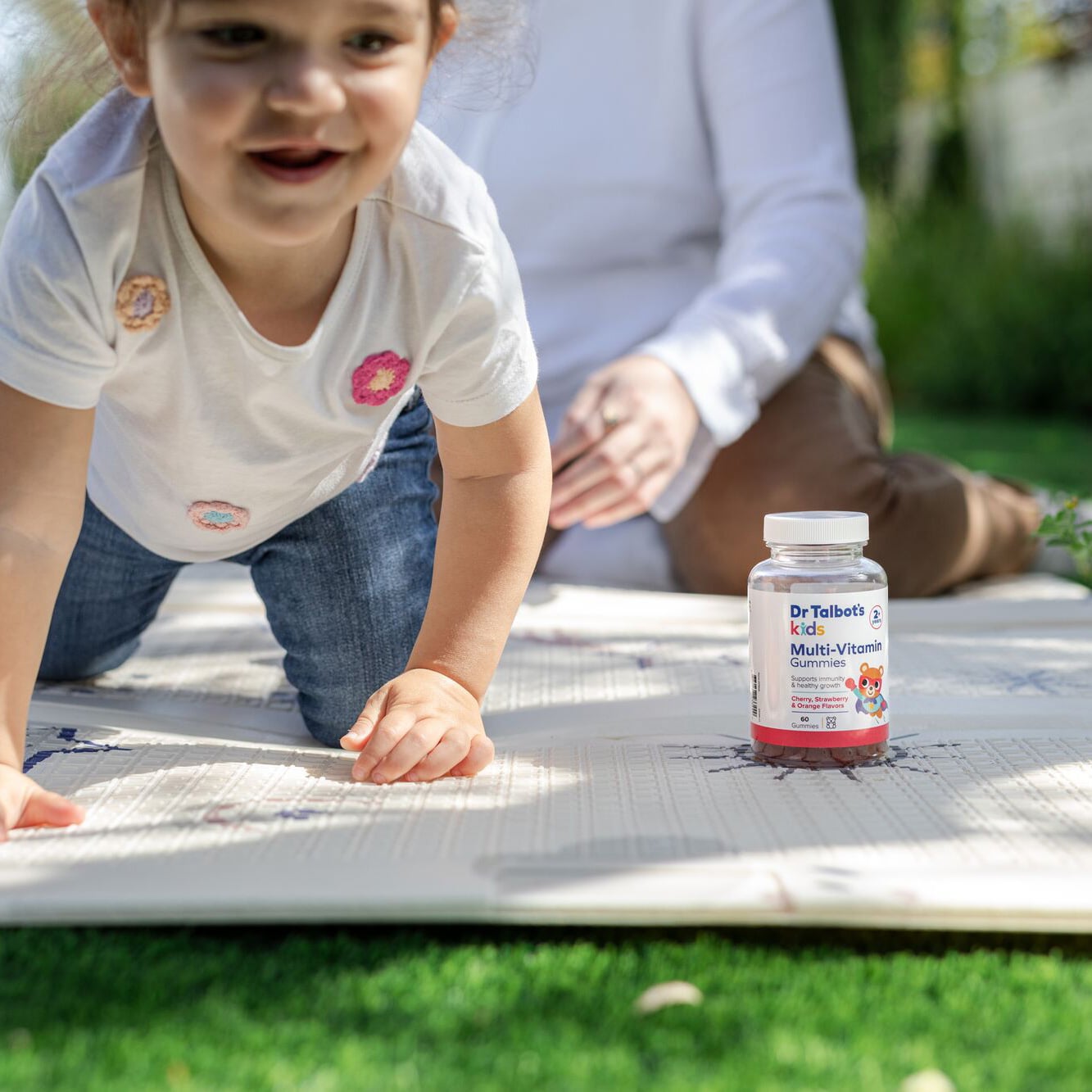
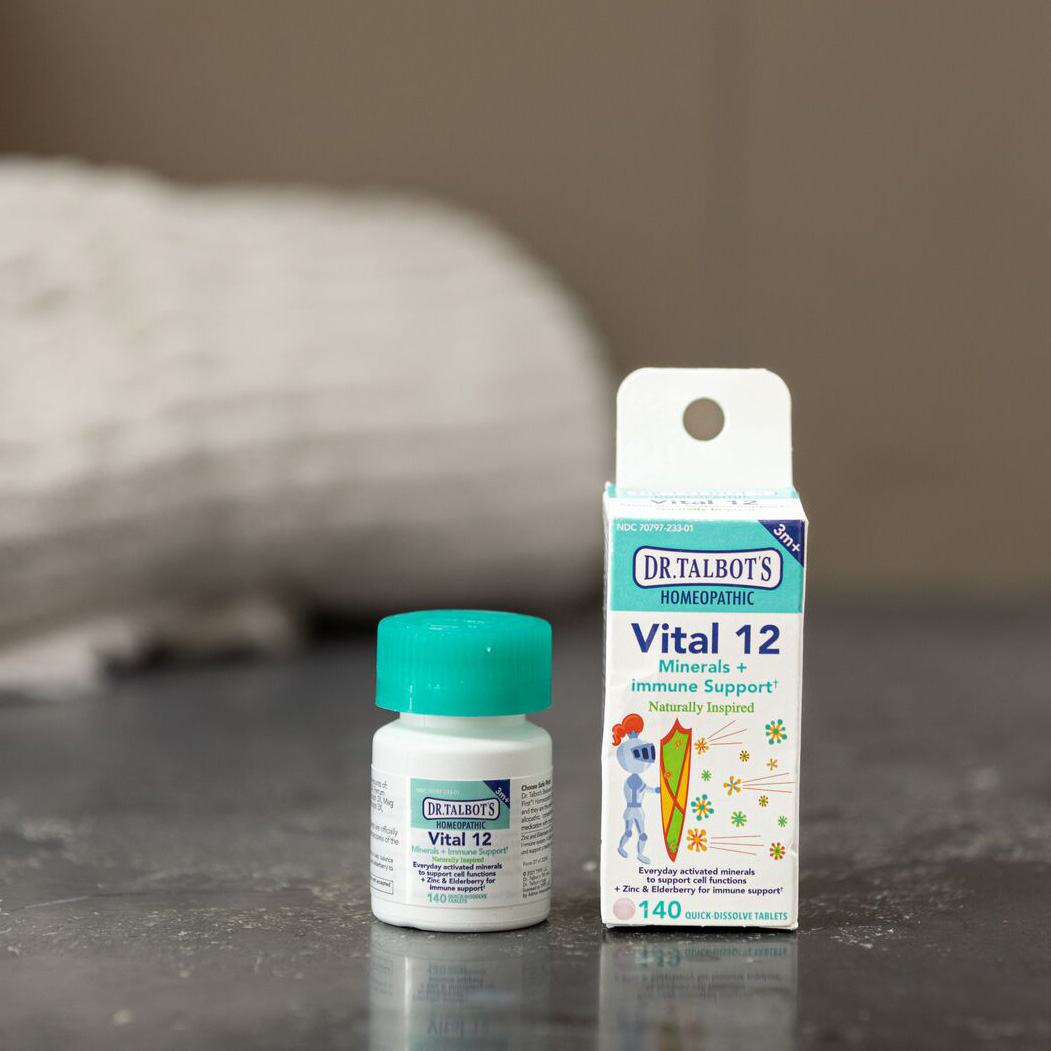
While you should aim to provide as many of these through nutrition as you can, this can sometimes be difficult with children. For added peace of mind, consider a child-safe supplement, like Dr. Talbot's Kids Multi-Vitamin Gummies (suitable for children 2 years or older). For younger babies from 3 months, Dr. Talbot's Vital 12 is a safe alternative.
Every child's nutritional needs are different based on age, activity level, health conditions, and individual metabolism. What works for one child may not be appropriate for another.
Building Healthy Eating Habits for Long-term Immunity
How you approach healthy eating habits to support immunity will depend on your child. Adapting your strategy to your child’s age will give you the best chance of success. For example, consider homemade smoothies and blended vegetables for older, fussier children. Consistency and regularly offering new foods will also increase your chances of success.
Power-Packed Foods for Kids' Immunity
When it comes to your child’s nutrition and immunity, it can be difficult to know where to start. As a general rule, you should try to give your child as many whole foods as you can because they are where you will find the most nutrients.

Colorful Fruits and Vegetables
The most obvious place to start is with fruits and vegetables. They are packed with vitamins, minerals, and antioxidants. Try to give your child a wide array of them throughout the week. Some of the most nutrient-rich options are:
- Berries: Blueberries, strawberries, and raspberries. Full of antioxidants.
- Citrus fruits: Grapefruit, oranges, and tangerines. A great source of vitamin C.
- Orange and yellow fruit/veg: Carrots, sweet potatoes, and bell peppers. Contain beta carotene, which converts to vitamin A in the body.
- Leafy greens: Spinach and kale. A great source of iron.
Some fruits and vegetables will be easy to introduce, while others may face more resistance. Don’t be disheartened if they say no the first time. Consider mixing them into meals or their favorite dishes. Shopping seasonally will help keep the cost down and give you the best quality produce.
Protein-Rich Immune Supporters
Another way to help your child’s immune system is by making sure they have a good source of quality protein.
- Fish: Salmon and sardines. Both are rich in omega-3 fatty acids.
- Dairy products: Yogurt is a good choice as it also contains probiotics.
- Eggs: Packed with immunity-supporting nutrients.
- Plant-based sources: beans, lentils, and nuts.
For the best results, try to give your child a mixture of animal and plant-based sources of protein. You should also check all age-specific guidelines, as some foods aren’t recommended for children under a certain age. They may also require specific preparation to make them safe.
Immune-Boosting Superfoods and Spices
Some foods are so richly packed with nutrients that we regard them as superfoods. These are great to add to your child’s diet for maximum impact.
Examples of Kid-Friendly Superfoods
Some easy foods to add to your child’s meals include:
- Garlic and onions: Contain antimicrobial properties when given in smaller amounts.
- Ginger: Has anti-inflammatory benefits, ideal for the cold season.
- Turmeric: An antioxidant when used in small amounts.
A balanced diet is the foundation of immune health, and no single food can prevent illness.
Whole Grains and Fiber
These are the less glamorous players when it comes to child nutrients. However, they are packed with goodness and help support gut health, so they shouldn’t be overlooked. Try to include oats, quinoa, and brown rice, as these will offer a sustained source of energy.
Seasonal Approaches to Immune Support
How you offer immunity support will depend on the time of year. During the winter months, you should focus on offering your child nutrient-dense, warming foods. Soups and stews are a great option that can be made to suit all budgets. Hydration is also incredibly important, especially if they are in environments with the heating on.
Special Considerations
When it comes to children’s nutrition, one size doesn’t fit all. Instead, there may be times when you need to modify your approach to ensure success.
Individual Dietary Needs
There may be times when you need to adjust what foods you are offering your child. If your child has food allergies, you should look for safe alternatives. Always adhere to their restrictions unless told to do otherwise by your pediatrician.
Always consider food allergies, choking hazards, and age-appropriate foods when introducing new items to your child's diet. Consult healthcare providers about any food safety concerns.
Lots of children can be fussy, especially when they are younger. They may refuse many of the nutrient-rich foods you are trying to offer them. The most important thing is not to give up. Consistency is important for children, although you should be careful not to apply pressure. Hiding vegetables and other ingredients in their favorite meals is also a clever strategy many parents swear by.
Supplements
Trying to ensure your child gets all the different foods they need to build a strong immune system can be exhausting. While you should always use a food-first approach, supplements can be a great addition.
When choosing a supplement, make sure it is designed for children. Dr. Talbot's Vitamins & Immune Support Collection offers safe age-appropriate vitamins to support your child’s immunity all-year round. You can also speak to your pediatrician for advice.
Supplements should complement, not replace, a balanced diet. Always consult your child's healthcare provider before starting any new supplements.
Supporting Overall Health During Cold Season
Nutrition is an effective way to build your child’s immune system during the cold season. However, there are also other things you can do to support your child’s overall health. Taking a holistic approach means looking at natural, safe ways to improve immune function.
When it comes to immunity, sleep is one of the most important things your child needs. Using a naturally inspired product designed for sleep can help improve sleep quality. If sleep proves to be difficult, especially in younger children of teething age, Dr. Talbot’s Chamomile Night Time Soothing Tablets use the natural power of chamomile to reduce sleepless nights.
Physical activity and getting outside can also help boost immunity in children. Try to get your child outside daily whenever it is possible. Just make sure you dress them in appropriate clothes for the weather.
Cold and flu season is enough to cause any parent to break out in a cold sweat. Most of us know how to ease symptoms, but we don’t always consider ways to help build and support their growing immune system. Adding nutrient-rich foods to their diet can ensure they have everything they need to build the best immunity they can.
For the times when your child does come down with a cold or the flu, Dr. Talbot's Mucus + Cold Relief offers naturally-inspired relief without the use of alcohol or parabens.
5 Essential FAQs
What are the most important foods for boosting my child's immunity during cold season?
During cold season, you should aim to include colorful fruits and vegetables, quality sources of protein, and whole grains in your child’s diet. Including foods rich in vitamins C, D, and zinc will also help build their immune systems. The most effective way to support their growing bodies is by offering them the widest variety you can, rather than focusing on specific “superfoods.”
How can I get my picky eater to consume immune-boosting foods?
The best approach will depend on your child. However, some common strategies include gradually introducing new foods, involving your child in the cooking process, and creative food presentations. You also hide nutritious ingredients in their favorite meals. As a parent, the most important thing is to remain patient.
Should I give my child vitamin supplements in addition to immune-boosting foods?
You should always begin by trying to include as many nutrient-dense food sources in their diet as you can. However, there are times when they may need a little extra helping hand. Dr. Talbot's Vitamins & Immune Support Collection is designed to offer a safe way to support their bodies. You should always speak to your pediatrician before giving your child any supplements.
Are there specific foods I should avoid during the cold season to support my child's immunity?
Some foods should be limited to support your child’s immunity. Foods that are highly processed and contain excess sugar should be swapped for ones that are nutrient-dense, whenever possible. Don’t get too caught up in “good” and “bad” foods. Instead, focus on offering your child a balanced diet full of variety.
How do I maintain good nutrition for immunity when my child is already sick?
Despite your best efforts, your child will get sick. The best approach is to offer comfort foods with good nutritional value. Also, look for options that don’t require too much digestion, as they will be easier on their body.