
As a parent, we are all too familiar with diaper rash. It’s something almost every parent will have to deal with at some point in their parenting journey. For some babies, it is a mild irritation, but it can also be severe. With so many diaper creams out there, it can be hard to know the best way to soothe and treat your baby’s sore skin.
Diaper rash creams with zinc oxide are an excellent way to soothe and protect your baby’s skin. Unsurprisingly, they are loved by parents everywhere. But how does it work, and how should you use it? Our guide will explain the science behind zinc oxide diaper creams as well as tips to get the best results.

How Zinc Oxide Works to Protect Baby Skin
Zinc oxide is a popular ingredient among parents looking to soothe their babies’ diaper rash, but how does it work?
Zinc oxide is a mineral found in the skin. It is responsible for forming and repairing connective tissue, making it ideal for healing and soothing skin. Its antimicrobial and anti-inflammatory properties make it ideal for treating diaper rash.
It works by both soothing and drying out diaper rash, which can help offer instant relief for sore skin. It also creates a barrier to prevent moisture and bacteria from touching the skin.
Benefits of Using Diaper Rash Creams with Zinc Oxide
Diaper creams with zinc oxide are often used by parents because they offer a number of benefits for babies.
Soothe Skin
Zinc oxide is a mild astringent. This means it acts to tighten body tissues, which can reduce swelling and redness caused by diaper rash. This process also helps reduce inflammation and ease discomfort for your baby.
Creates a Protective Barrier
When applied directly to the skin, zinc oxide creates a barrier. This stops moisture and unwanted bacteria from coming into contact with the skin. Keeping out moisture and ensuring the skin is dry allows it to heal.
Absorbs Moisture
In addition to keeping moisture out, zinc oxide also helps to absorb excess moisture, keeping the skin dry. This is great for healing diaper rash and sore skin, as extended exposure to moisture can delay healing and cause irritation.
What Zinc Concentrations Mean in Diaper Creams
When choosing a diaper rash cream with zinc oxide, you have a choice of zinc concentrations.
Lower Concentrations (10-20%)
Diaper rash creams that contain a concentration of 10-20% zinc oxide are ideal for routine use on the skin to prevent diaper rash. The lower concentration acts as a protective barrier, keeping the skin free from excess moisture. This strength will also treat mild to moderate diaper rash and sore skin. Dr. Talbot’s Diaper Rash Ointment contains 18% zinc oxide, which will deliver effective results on most skin types.
Higher Concentrations (up to 40%)
Higher strengths are more suited for treating skin that is severely affected by diaper rash. It will help treat existing diaper rash and also prevent it in the future. If your baby frequently suffers from diaper rash, it is usually a good idea to use a stronger cream as part of your regular diaper-changing routine. It is always advisable to consult a pediatrician if there are frequent rash out breaks.
Best Practices for Application
In order to get the best results when using zinc oxide diaper cream, it is important to apply it correctly.
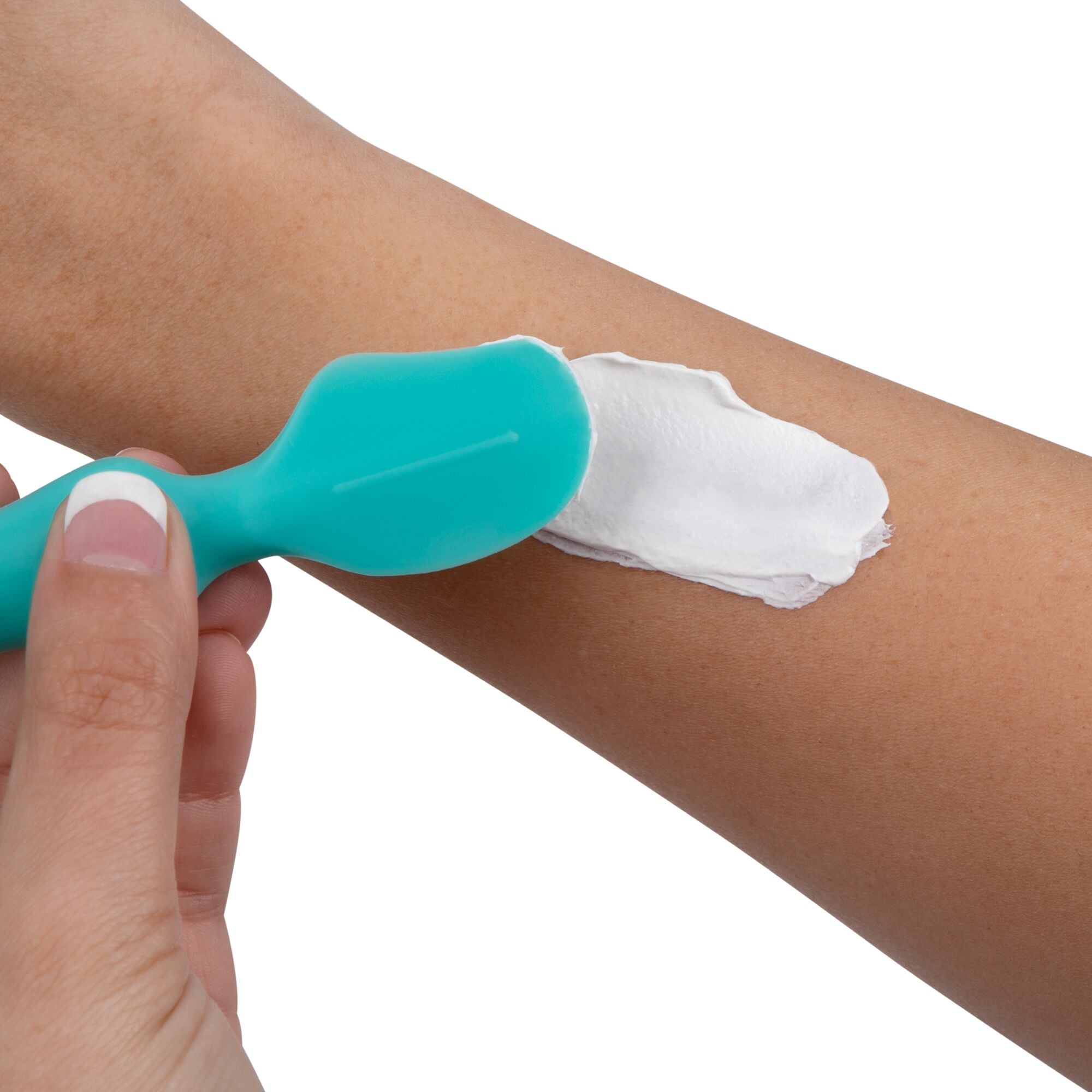
How to apply
Before applying diaper cream, you should always wash your hands thoroughly, especially if your baby already has diaper rash or broken skin. This will help reduce the chances of it getting further irritated or infected. You should then apply a thick layer of the cream, paying particular attention to any sore areas. To keep the area extra clean, apply the cream using Dr. Talbot’s Soft Silicone Brush.
How often to apply
One of the great things about diaper rash cream containing zinc oxide is that it can be applied as frequently as needed. If your baby is prone to diaper rash or has particularly sensitive skin, try applying it after every diaper change. This will help the skin to heal as well as prevent a rash from developing.
Choosing the Best Diaper Rash Cream with Zinc Oxide
As with most baby products, it is a good idea to look for a reputable brand with a history in the industry. Dr. Talbot's is a family-owned company with a history of making products for moms and babies!
Once you have found a good brand, you should consider what concentrations of zinc oxide you are looking for as described above.
Good diaper creams rely on natural ingredients with minimal additives. You can look out for the addition of other beneficial natural ingredients to help support your baby’s skin. Dr. Talbot’s Diaper Ointment also contains Peruvian balsam to promote healthy skin and quick healing.
Top Tips for Parents Using Zinc-Based Creams
One of the best tips to get the most out of zinc-based diaper creams is to build it into your baby’s daily routine. Regular application will help keep their sensitive skin dry and protected.
If your baby has developed diaper rash, you should apply it during every diaper change for the best results. If the rash shows no signs of clearing up after several days, consult your pediatrician.
Conclusion
Finding sore skin during a diaper change is enough to break any parent's heart. We are all desperately looking for gentle yet powerful ways to soothe and relieve any discomfort. Diaper creams with zinc oxide offer a great way to gently treat and protect sensitive skin, while still giving powerful results.
Dr. Talbot has experience in producing gentle yet effective baby and family products. For more tips, make sure you head over to our Mom Blog and Wellness Blog for more advice.
FAQs
Can I use zinc oxide cream daily?
Yes, diaper cream with zinc oxide is gentle enough to use every day on your baby. Regular use will treat diaper rash as well as prevent it from developing.
What percentage of zinc oxide is best?
This will depend on whether you are looking for prevention or treatment. Generally, a cream with a zinc oxide concentration between 15-40% will be a good choice.
Does more zinc mean better protection?
The higher the concentrations, the stronger the barrier it will give. However, what is most suitable will depend on your baby’s particular skin.